
Finding a saigon apartment for rent in 2026 is both easier and more complex than it was five years ago. The city’s rental market has matured dramatically, with new supply flooding Districts 2, 7, and Binh Thanh, yet expats and long-stay residents still navigate a maze of agents, language barriers, and opaque deposit structures. Whether you need a short-term base while you settle in or a long-term home in the heart of Ho Chi Minh City, this guide covers every decision you will face — neighbourhoods, price bands, contract traps, and the fastest way to move in without surprises.
Key Takeaways
- Ho Chi Minh City’s rental market in 2026 spans from $350/month studio units in the outskirts to $3,500+/month luxury apartments in the CBD — knowing which district matches your lifestyle is step one.
- Most landlord contracts are written entirely in Vietnamese and favour the landlord; always request a bilingual version before signing.
- Deposits typically run two to three months’ rent and can be difficult to recover without a clear clause in the contract.
- Serviced apartments offer all-inclusive pricing (utilities, Wi-Fi, housekeeping) with no deposit surprises and English-language agreements — ideal for new arrivals and remote workers.
- Districts 1, 3, Binh Thanh, and Thu Duc City (Districts 2 and 9) remain the top four expat-friendly zones for different budgets and lifestyles.
Why Saigon’s Rental Market Looks Different in 2026
Ho Chi Minh City has absorbed enormous real estate supply over the past three years. According to the Vietnam Association of Realtors (VARS), over 45,000 new residential units were completed in the greater HCMC area between 2023 and 2025, softening rents in mid-range segments by roughly 8–12 percent compared to the 2022 peak. That is good news for anyone searching for a saigon apartment for rent today — more inventory, more negotiating leverage, and more English-speaking property managers than ever before.
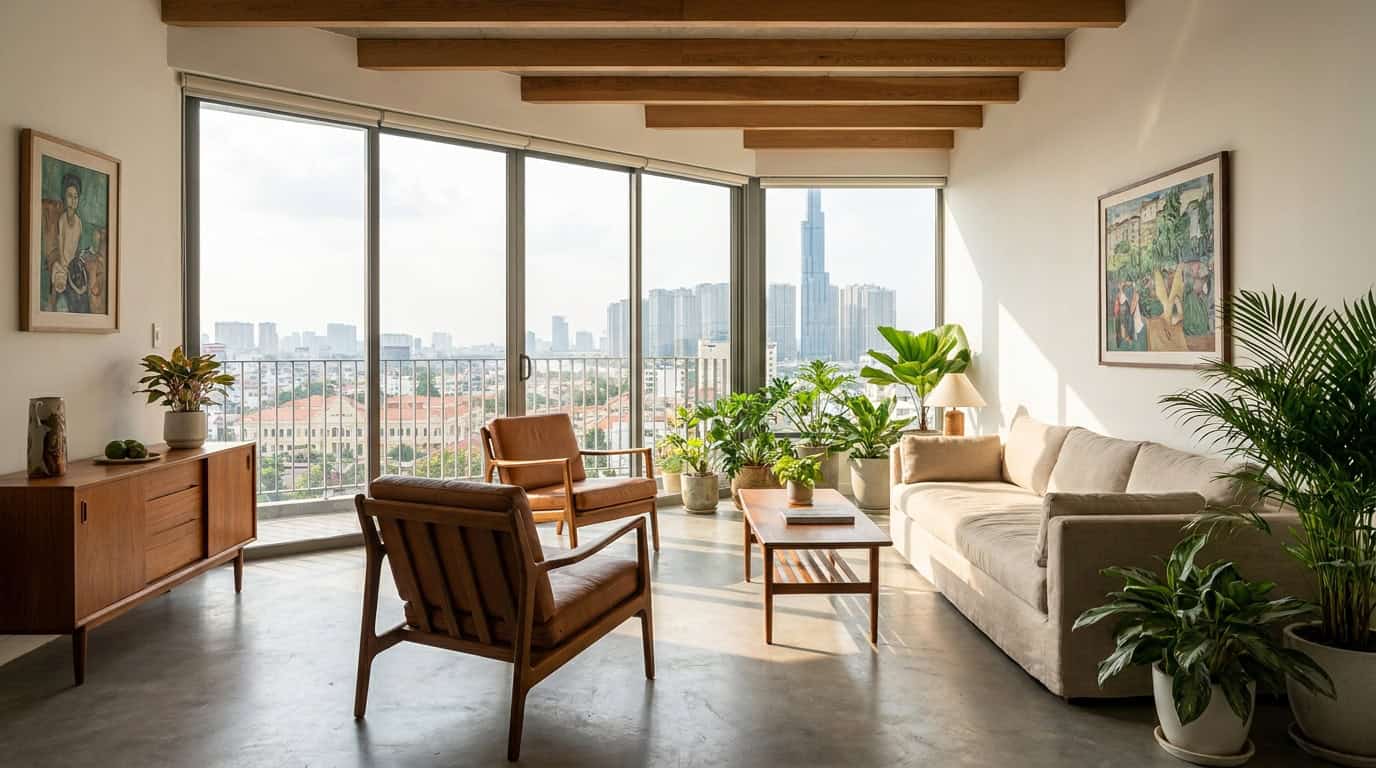
At the same time, demand from Korean, Japanese, and Western expatriates has remained resilient, keeping well-located units in Districts 1, 3, and Binh Thanh at a premium. Infrastructure upgrades — the long-delayed Metro Line 1 now operational — have also lifted rents along the Ben Thanh to Suoi Tien corridor, reshaping which neighbourhoods offer the best value.
Understanding Saigon’s Districts: Where Should You Live?
Location is the single most important variable when you search for a saigon apartment for rent. Each district has a distinct personality, commute profile, and price range.
District 1 — The CBD
District 1 is the commercial heart of the city: international offices, Bui Vien street, and Dong Khoi’s restaurants and cafes. Studio apartments start around $600–$800/month; one-bedroom units typically run $900–$1,500/month. Traffic is intense and parking is expensive, but walkability is unmatched for those working downtown.
District 3 — Quiet Elegance Close to the Centre
District 3 sits just west of District 1 and attracts professionals and families who want green streets, excellent French-Vietnamese restaurants, and a slower pace without sacrificing central access. One-bedroom rents average $700–$1,200/month.
Binh Thanh — Expat Hub with Good Value
Binh Thanh has become the de facto expat neighbourhood for those who want a saigon apartment for rent under $800/month without moving far from the city core. The Vinhomes Central Park complex alone houses thousands of foreign residents. Expect $500–$1,000/month for a clean, modern one-bedroom.
Thu Duc City (Former Districts 2 and 9)
Thao Dien village inside Thu Duc City remains a favourite for families and long-stay expats, with international schools, riverside cafes, and larger apartment footprints. Rents are moderate — $700–$1,400/month for a two-bedroom — and the Metro Line 1 has cut commute times significantly.
District 7 — Southern Expat Enclave
District 7 is popular with Korean and Japanese communities and offers newer high-rise buildings, Crescent Mall, and Phu My Hung’s planned streets. One-bedroom rents run $600–$1,100/month. Less central, but very liveable for those working in the south of the city.
Saigon Apartment for Rent: Price Guide by Type (2026)
Prices below reflect unfurnished-to-fully-furnished market rates for long-term leases (six months or more) in mid-range to upscale buildings as of early 2026.
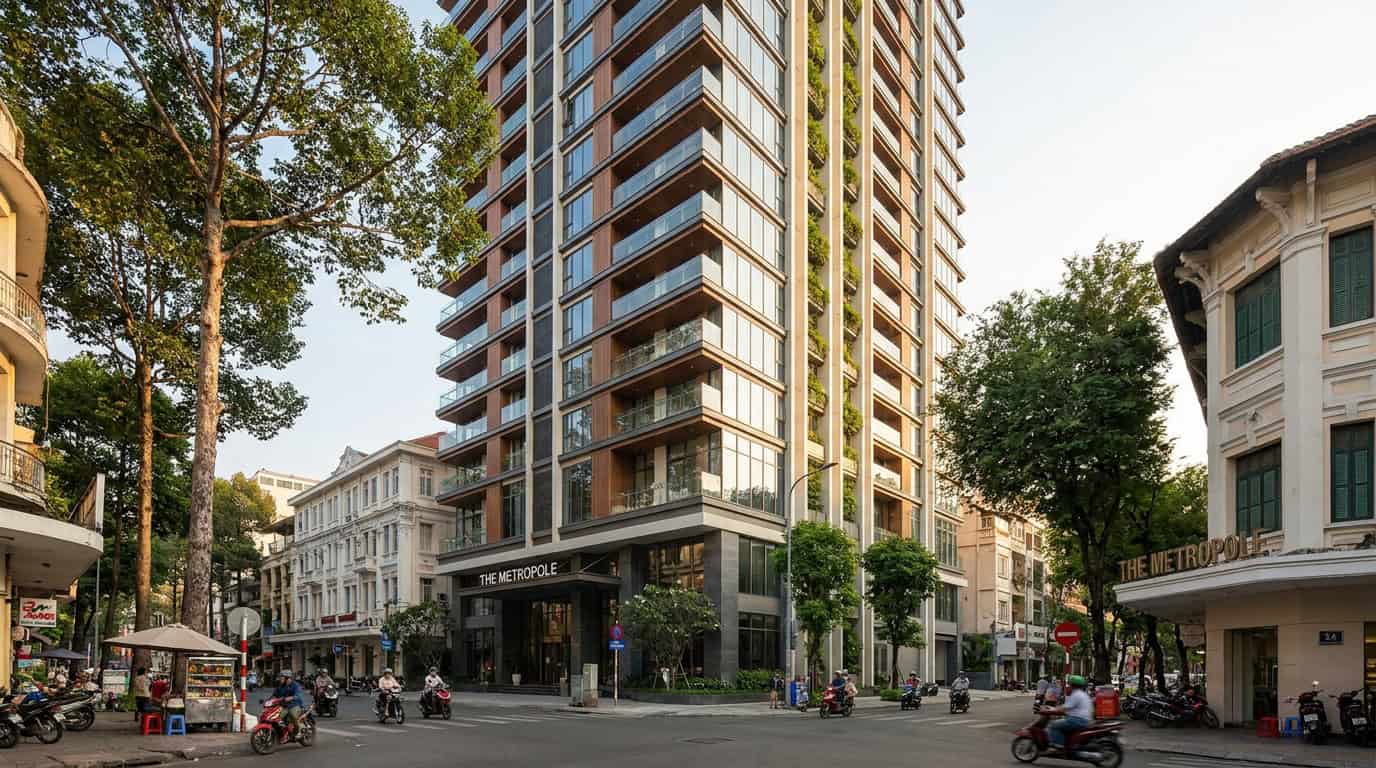
- Studio (25–35 m²): $350–$700/month
- 1-bedroom (45–65 m²): $550–$1,400/month
- 2-bedroom (75–100 m²): $800–$2,200/month
- 3-bedroom (110–150 m²): $1,200–$3,500/month
- Serviced apartment (studio to 1BR, all-inclusive): $800–$1,800/month
According to CBRE Vietnam’s Q4 2025 Residential Report, the average occupancy rate for Grade A serviced apartments in HCMC reached 87 percent in 2025, reflecting strong and sustained demand from multinational employees and digital nomads — well above the regional Southeast Asian average of 79 percent.
Furnished vs. Unfurnished vs. Serviced: Which Is Right for You?
This is one of the first decisions any renter must make when looking for a saigon apartment for rent, and each option has distinct trade-offs.
Unfurnished units offer the lowest base rent and full flexibility to decorate, but require buying or shipping furniture and dealing with separate utility accounts — which must often be registered in a Vietnamese name. Not practical for stays under twelve months.
Fully furnished units include beds, appliances, and basic kitchenware. Rent is 15–25 percent higher than unfurnished equivalents, but you can move in within days. Most expat leases are for furnished apartments. Utilities (electricity, water, internet) are usually billed separately and electricity in particular can be expensive — the tiered pricing system means a heavily air-conditioned apartment can add $80–$150/month to your costs.
Serviced apartments bundle everything: furniture, utilities, weekly housekeeping, Wi-Fi, and often gym and pool access. The all-inclusive monthly rate removes budget uncertainty and is the fastest route to a habitable home. Renting an apartment in Saigon involves agents, deposits, and contracts in Vietnamese. Our serviced apartments remove all of it — English-language agreements, no deposit surprises. Contact.
Navigating the Rental Process: Agents, Contracts, and Deposits
The process of renting a standard apartment in Ho Chi Minh City follows a sequence that can catch newcomers off guard.
- Search: Most listings appear on Batdongsan.com.vn, PropertyGuru Vietnam, and Facebook groups such as “Expats in Ho Chi Minh City”. English-language listings are growing but still a minority.
- Agent: Most landlords list through agents who charge one month’s rent as a finder’s fee (paid by the tenant). Some landlords cover the fee; always ask upfront. Reputable agencies include CBRE, Savills Vietnam, and local boutique firms in expat-heavy areas.
- Viewing and negotiation: Landlords expect negotiation on price, especially for longer-term leases. A twelve-month commitment can typically shave 5–10 percent off the asking rate.
- Contract: Standard contracts are written in Vietnamese. Request a bilingual Vietnamese-English version as an addendum. Key clauses to scrutinise: deposit amount and return conditions, rent review schedule, early termination penalties, and who pays for maintenance.
- Deposit: Expect two to three months’ deposit held by the landlord, not a neutral third party. Recovery disputes are common. Document the apartment’s condition in photos and video on the day you take the keys.
- Utilities registration: Electricity accounts in Vietnam are registered to the property. Many landlords re-bill tenants at above-cost rates. Clarify the billing method in writing before signing.
Legal Considerations for Foreign Renters in Vietnam
Foreigners can legally rent residential property in Vietnam under a standard lease agreement. There is no restriction on the type of building or length of tenancy for renters (as opposed to buyers, who face stricter rules). However, your landlord is legally required to register your tenancy with the local ward police (phường) office within 30 days of you moving in — this is the tạm trú (temporary residence) registration that also supports your visa extension applications.
Ensure your landlord agrees to complete this registration before you sign. Without it, renewing a business visa or work permit becomes significantly harder. A landlord’s refusal to register is a red flag worth taking seriously.
Saigon Apartment for Rent: Tips to Avoid Common Traps
Expats who have lived in Ho Chi Minh City for several years share a consistent set of warnings for newcomers searching for a saigon apartment for rent.
- Never pay a deposit before signing a contract. Verbal agreements are unenforceable. Always have a signed bilingual contract in hand before transferring any money.
- Check the electricity meter yourself. Some landlords overcharge by citing incorrect readings. Photograph the meter on move-in day and keep monthly records.
- Verify building management fees. High-rise buildings charge service fees (quản lý phí) of $0.50–$1.50/m² per month on top of rent. Confirm what is included — parking, gym, pool access — and what costs extra.
- Flood-check the street. Low-lying areas in Districts 4, 6, 8, and parts of Binh Thanh can flood during heavy rains. Search the address with “ngập” (flood) on Vietnamese news sites before committing.
- Understand the early exit clause. Standard contracts penalise early departure with forfeiture of the deposit. Negotiate a 60-day notice clause as an exit option, especially if your visa status might change.
Short-Term vs. Long-Term Rentals: Choosing the Right Commitment
Not every expat arriving in Ho Chi Minh City knows how long they will stay. If you are on a trial assignment, exploring the city before committing, or working remotely with location flexibility, a short-term rental (one to six months) is the sensible starting point.
Short-term options include serviced apartments (minimum stay often one month), Airbnb-style managed units, and corporate housing packages. These cost more per month than long-term leases but require no deposit and offer flexibility. Once you know your preferred neighbourhood, commute, and lifestyle requirements, moving to a twelve-month lease for a standard saigon apartment for rent typically saves 20–35 percent per month compared to fully serviced short-stay pricing.
What $800–$1,200/Month Actually Gets You in 2026
This budget is the sweet spot for most single expats and couples relocating to Ho Chi Minh City. At $800–$1,200/month you can realistically expect a fully furnished one-bedroom apartment of 45–65 m² in a modern high-rise in Binh Thanh, Phu Nhuan, or outer District 3; a serviced studio in a well-managed building in Districts 1 or 3; or a larger two-bedroom unit in District 7 or Thu Duc City’s outer streets.
Buildings in this band typically include a rooftop pool, gym, 24-hour security, and covered parking for one motorbike. Amenity quality has improved noticeably as new supply has raised the standard — a building that would have rented at $1,400/month in 2021 now frequently asks $1,100/month to maintain occupancy.
Moving In: A Practical Checklist
Once you have signed your contract and paid your deposit, a few practical steps will make the first weeks in your new saigon apartment for rent much smoother.
- Complete tạm trú registration with your landlord within the first week.
- Set up a Vietnamese SIM card and local bank account (Vietcombank and BIDV both offer foreigner-friendly account opening).
- Register for electricity and water billing in writing — get the landlord’s billing formula on paper.
- Identify the nearest wet market (chợ) and supermarket (WinMart, Co.opmart, Tops Market) for daily essentials.
- Download Grab for transport, Baemin or ShopeeFood for delivery, and the ward police app if your district supports online tạm trú updates.
- Save the building management office number — they handle lift failures, water outages, and noise complaints much faster than your landlord.
You May Also Find Useful
- Making Saigon Home: The 12-Month Long-Stay Guide for Expats in District 1
- Long-Stay Apartments in Saigon 2026: The Complete Guide to Monthly Accommodation
- Serviced Apartment Ho Chi Minh City 2026: The Complete Guide for Corporate and Long-Stay Guests
- District 1 Saigon 2026: Complete Neighborhood Guide for Visitors and Long-Stay Residents
For a first month while you look at longer leases, Booking.com and Agoda both list serviced apartments in Ho Chi Minh City on monthly rates — a useful baseline before you start dealing with local agents.
Frequently Asked Questions
How much does a saigon apartment for rent cost per month in 2026?
Prices range from approximately $350/month for a basic studio in outer districts to over $3,500/month for a luxury three-bedroom in District 1. The most common expat budget — a fully furnished one-bedroom in a modern building — runs $600–$1,200/month depending on district and building quality. Serviced apartments with utilities included typically start at $800/month for a studio.
Can foreigners legally rent apartments in Ho Chi Minh City?
Yes. There are no legal restrictions on foreigners renting residential property in Vietnam. You will need a valid visa or residence permit to complete the tenancy registration (tạm trú) with the local ward office, which is the landlord’s legal obligation within 30 days of your move-in date.
What is the standard deposit for renting an apartment in Saigon?
Most landlords require a deposit equivalent to two or three months’ rent, paid upfront before or at the time of signing. This deposit is held by the landlord (not an escrow service) and is returned at the end of the lease minus any deductions for damage or unpaid bills. Always document the apartment’s condition with photos and video on move-in day to protect your deposit.
Which district is best for expats renting in Saigon?
The answer depends on your priorities. District 1 suits those who want to be at the centre of everything and have the budget for it. Binh Thanh offers the best balance of price, expat community, and central access. Thao Dien in Thu Duc City is preferred by families with children in international schools. District 7 is popular with the Korean and Japanese communities and offers newer buildings at moderate prices.
What is the difference between a serviced apartment and a regular rental in Saigon?
A serviced apartment includes utilities (electricity, water, Wi-Fi), weekly or daily housekeeping, furniture, and appliances in one fixed monthly rate. There are typically no large upfront deposits, and agreements are usually available in English. A regular rental requires you to manage utilities separately, furnish the unit yourself or pay a premium for a furnished unit, and navigate a Vietnamese-language contract. Serviced apartments cost more per square metre but offer certainty and convenience, making them especially valuable for new arrivals and shorter stays.
Official Resources
For the most up-to-date information on saigon apartment for rent, visit the Vietnam Real Estate Association.