
How Long Can You Stay in Vietnam Without a Visa? Exemption Guide by Nationality
Understanding Vietnam visa exemption by nationality requirements is essential for expats planning a long-term stay in Vietnam. The vietnam visa free stay duration depends entirely on your passport — and getting this wrong can mean fines, forced departures, or a denied entry at the airport. Most nationalities visiting Vietnam without a visa receive either 15, 30, or 45 days, while citizens of select countries now enjoy 90-day visa-free access following Vietnam’s landmark policy expansion in 2023. This guide breaks down exactly how long you can stay in Vietnam without a visa, organized by nationality, with everything you need to know about extensions, re-entry rules, and living in Ho Chi Minh City on a visa-exempt stay.
Key Takeaways
- The vietnam visa free stay duration ranges from 14 to 90 days depending on your nationality — knowing your exact limit is essential before booking flights.
- As of August 2023, Vietnam extended visa-free access for 13 additional countries to 45 days, and citizens of Germany, France, Italy, Spain, and the UK now receive 90 days visa-free.
- Citizens of ASEAN nations generally receive 30 days visa-free, with some bilateral agreements offering longer stays.
- Vietnam does not allow automatic same-day border runs to reset a visa-free stay — you must stay outside the country for a qualifying period before re-entry.
- If your stay exceeds your visa-free allowance, a tourist e-visa (30 or 90 days, single or multiple entry) is the simplest legal option.
Vietnam Visa Exemption by Nationality: What Is Vietnam’s Visa-Free Policy and Who Does It Cover?
Vietnam’s visa-free entry policy allows passport holders from eligible countries to enter without applying for a visa in advance. The vietnam visa free stay duration varies significantly by nationality and is governed by bilateral agreements between Vietnam and individual countries, as well as unilateral decisions by the Vietnamese government. In 2023, Vietnam undertook its most significant visa reform in decades — extending stay durations, adding new eligible countries, and simplifying re-entry rules — in an effort to boost post-pandemic tourism and foreign investment.
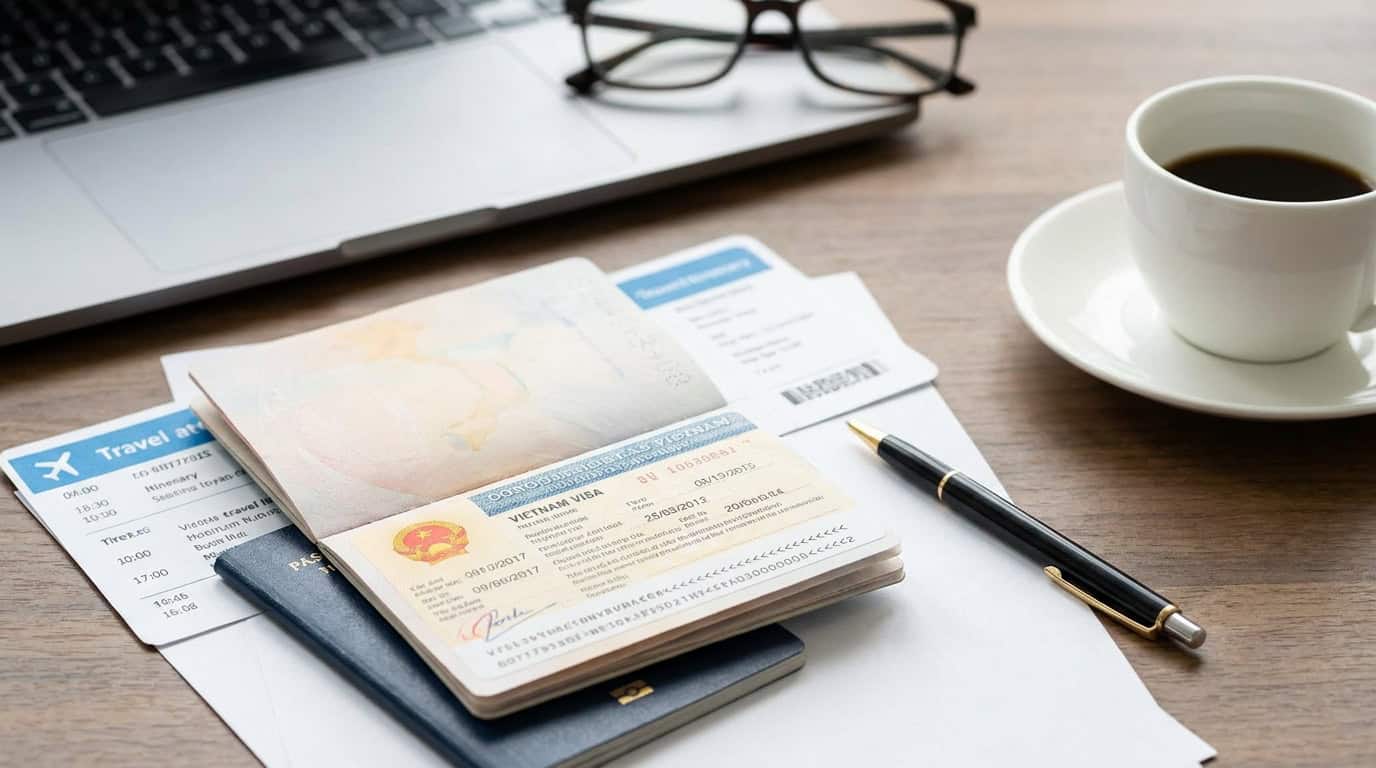
According to the Vietnam National Authority of Tourism (VNAT), international arrivals reached 17.5 million in 2024, with the relaxed visa policy credited as a major driver of that recovery. Understanding which category your nationality falls into is the first step before planning any trip to Ho Chi Minh City or anywhere else in Vietnam.
Vietnam Visa Free Stay Duration by Nationality: The Full Breakdown
Here is the current state of visa-free access to Vietnam, organized by duration. Always verify with the Vietnamese embassy or consulate for your country, as policies can change.
90-Day Visa-Free Stay
Citizens of the following countries can stay in Vietnam for up to 90 days without a visa, making them the most privileged group in terms of vietnam visa free stay duration:
- Germany
- France
- Italy
- Spain
- United Kingdom
This 90-day allowance, introduced in August 2023, is single or multiple entry depending on the specific bilateral agreement. British, German, French, Italian, and Spanish passport holders arriving in Ho Chi Minh City’s Tan Son Nhat Airport simply present their passport at immigration — no visa sticker, no e-visa required.
45-Day Visa-Free Stay
Following the August 2023 reform, the following nationalities receive 45 days visa-free:
- Denmark, Finland, Norway, Sweden (Nordic countries)
- Belgium, Netherlands, Luxembourg
- Switzerland, Austria
- Czech Republic, Slovakia, Hungary, Romania, Bulgaria, Greece
- Portugal, Poland
- Australia, New Zealand, Canada, USA
- South Korea, Japan
American, Australian, Canadian, and South Korean passport holders — four of the most common nationalities living and working in Ho Chi Minh City — all fall into this 45-day category. Whether you have 15, 30, or 90 days — our flexible lease terms match your exact visa duration.
30-Day Visa-Free Stay
Most ASEAN member state nationals receive 30 days visa-free:
- Thailand, Malaysia, Singapore, Indonesia, Philippines, Brunei, Cambodia, Laos, Myanmar
- India (30 days, added in 2023)
- Chile
14 to 21-Day Visa-Free Arrangements
A smaller group of countries have older bilateral agreements that provide shorter visa-free windows, typically 14 days. These arrangements are less common today and travelers from these countries are generally advised to apply for a tourist e-visa to avoid the restrictive stay limit.
The 2023 Reform: Why Vietnam Extended Visa-Free Stay Duration
The August 2023 amendments to Vietnam’s visa law were a direct response to competitive pressure from Thailand and Malaysia, both of which had more generous visa-free policies. According to a report by the World Bank, Vietnam’s inbound tourism recovery in 2023 lagged regional peers by 35%, partly attributed to visa friction — a gap that the reform set out to close. The key changes included:
- Extending the visa-free stay for most Western countries from 15 days to 45 days
- Granting 90-day visa-free access to five key European nations
- Extending the tourist e-visa from 30 to 90 days (single and multiple entry)
- Allowing e-visa holders to enter through any of Vietnam’s 13 designated international airports, all land border gates, and seaports
For expats and digital nomads living in Ho Chi Minh City, these changes transformed Vietnam from a destination requiring constant visa runs into one where a 90-day tourist e-visa — or even a 45-day visa-free entry — can cover a substantial stay.
Can You Extend or Renew a Visa-Free Stay Inside Vietnam?
This is one of the most frequently misunderstood aspects of the vietnam visa free stay duration system. The short answer: you cannot extend a visa-free stay while inside Vietnam. There is no in-country extension mechanism for visa-exempt arrivals. If you entered visa-free and want to stay longer, your options are:
- Exit and re-enter on an e-visa — Apply for a 90-day tourist e-visa before or after you leave, then return. The e-visa is processed online in 3 business days.
- Exit and re-enter visa-free — You may re-enter Vietnam visa-free after leaving, but Vietnamese immigration authorities have discretion to deny entry if they believe you are using back-to-back visa-free stays to effectively reside in the country without a proper visa.
- Apply for a work permit or business visa — For long-term stays in Ho Chi Minh City, a proper visa category (DN, LD, or DT) matched to your activity is always the cleanest solution.
The Border Run Question: Does It Still Work in Vietnam?
The “border run” — exiting Vietnam briefly to Cambodia or Laos and returning the same day or next day to reset a visa — was once a common practice. However, Vietnam’s immigration law, especially post-2023, gives officers the authority to question travelers who repeatedly enter on visa-free stamps. There is no official minimum time you must spend outside Vietnam between visa-free entries, but in practice, same-day or next-day returns frequently result in shorter grants or outright refusals at Ho Chi Minh City’s Tan Son Nhat Airport.
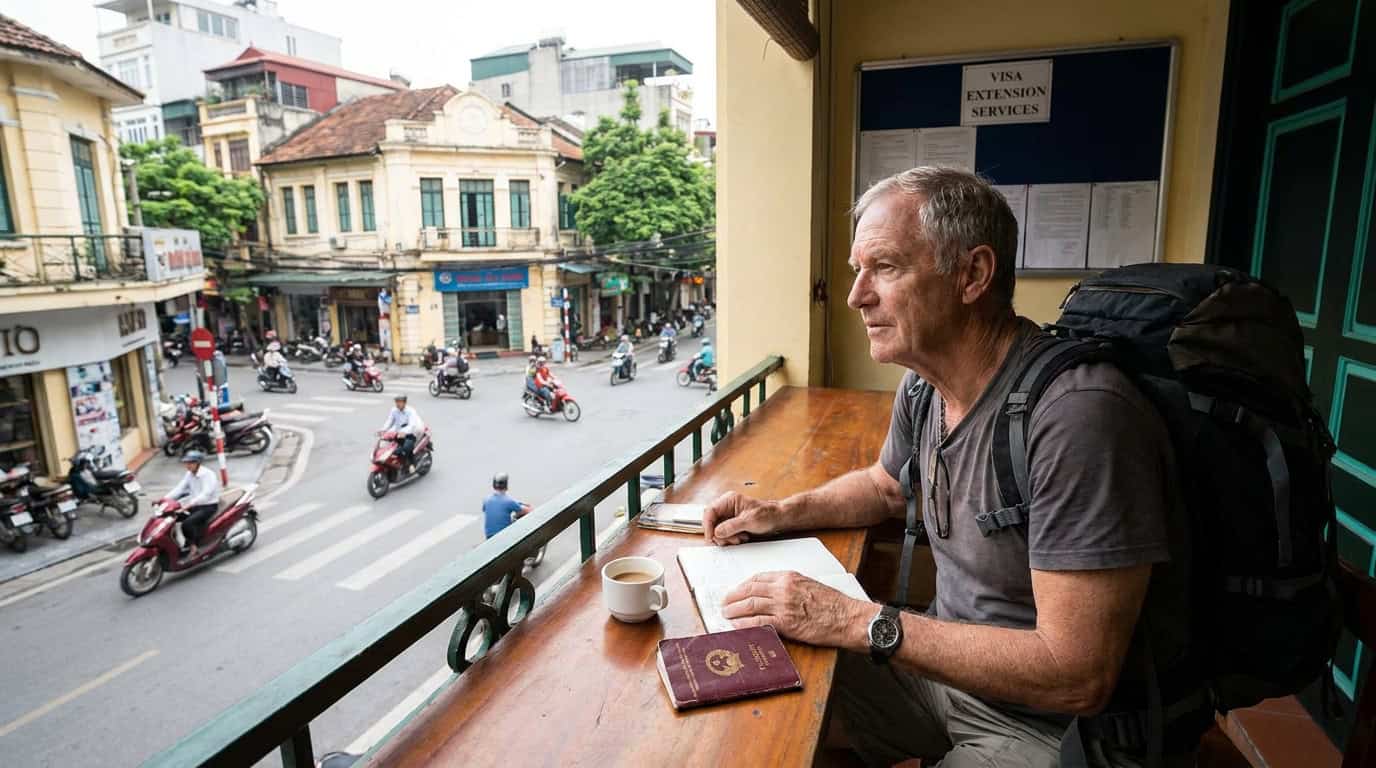
For anyone planning to base themselves in Saigon for more than two months, the 90-day tourist e-visa is a far more reliable and legally sound choice than engineering repeated border crossings.
Vietnam Visa Free Stay Duration vs. Tourist E-Visa: Which Should You Choose?
For nationalities with 45-day visa-free access, the choice between entering visa-free and applying for a 90-day e-visa often comes down to trip length:
- Staying under 45 days? Enter visa-free — it’s free, instant, and requires zero pre-arrival paperwork.
- Staying 46–90 days? Apply for a 90-day single-entry tourist e-visa ($25 USD).
- Staying longer than 90 days or returning multiple times? A 90-day multiple-entry e-visa ($50 USD) or a longer-term visa category tied to employment, investment, or study is the appropriate path.
For UK, French, German, Italian, and Spanish passport holders with 90-day visa-free access, the calculation is simpler — enter visa-free for any stay up to three months, then exit and re-enter or switch to a longer-term visa if needed.
Overstaying Your Vietnam Visa-Free Period: Consequences
Overstaying your permitted vietnam visa free stay duration — even by one day — triggers a mandatory fine and can result in complications at future immigration checks. As of 2024, fines range from VND 500,000 to VND 2,500,000 (approximately $20–$100 USD) depending on the length of the overstay. More significantly, a recorded overstay can flag your passport for increased scrutiny on re-entry and, in cases of extended overstays, lead to a temporary entry ban. Always track your permitted stay date — it is stamped in your passport at entry — and plan your exit with a buffer of at least two days.
Practical Tips for Living in Ho Chi Minh City on a Visa-Free Stay
Ho Chi Minh City is Vietnam’s business and lifestyle hub, and a significant proportion of the city’s expat community enters initially on visa-free stamps while exploring longer-term options. Here is what experienced Saigon residents know about making the most of a visa-free window:
- Register your address with local authorities — Your landlord or apartment is technically required to register foreign guests with local ward police within 24 hours of arrival. Reputable serviced apartments handle this automatically.
- Keep your passport entry stamp accessible — Coworking spaces, banks, and some government offices may ask to verify your permitted stay date.
- Use your visa-free period to arrange longer-term paperwork — If you are setting up a business or employment relationship, 45 or 90 days is usually enough time to initiate a work permit or business visa application.
- Book flexible short-term accommodation — Serviced apartments with month-to-month or even two-week lease terms are widely available in districts 1, 2, 3, and Binh Thanh, allowing you to align your housing contract precisely with your permitted stay.
How Saigon Apartment Rentals Accommodate Visa-Free Stays
One practical challenge of the vietnam visa free stay duration system is that traditional landlords often insist on three- or six-month leases — completely misaligned with a 30 or 45-day visa-free window. The modern serviced apartment sector in Ho Chi Minh City has adapted to this reality, with operators offering fully furnished units on flexible terms that match any permitted stay duration. Whether you have 15, 30, or 90 days — our flexible lease terms match your exact visa duration. From a two-week exploratory stay in District 1 to a full 90-day deep-dive into Saigon life from a base in Thao Dien, the right serviced apartment provider can structure a lease that fits your visa perfectly — including the flexibility to extend if you switch to a longer-term visa mid-stay.
Countries That Do NOT Have Visa-Free Access to Vietnam
Not all nationalities qualify for visa-free entry. Passport holders from most African nations, parts of the Middle East, and several South Asian countries are required to obtain a visa before arrival or apply for an e-visa online. If your nationality is not on Vietnam’s visa-free list, the 90-day tourist e-visa ($25–$50 USD, processed online at evisa.xuatnhapcanh.gov.vn) is the standard entry method for tourists and short-term visitors. The e-visa is valid for tourism, transit, and some business activities and is accepted at all major international entry points, including Tan Son Nhat Airport in Ho Chi Minh City.
You May Also Find Useful
Frequently Asked Questions
How long can US citizens stay in Vietnam without a visa?
As of August 2023, US citizens can stay in Vietnam for 45 days without a visa. This was extended from the previous 15-day allowance as part of Vietnam’s major visa reform. For stays longer than 45 days, American passport holders should apply for a 90-day tourist e-visa before or after arrival.
Can I stay in Vietnam for 90 days visa-free?
Yes, but only if you hold a passport from one of the five countries with 90-day visa-free access: Germany, France, Italy, Spain, or the United Kingdom. All other nationalities on the visa-free list receive either 30 or 45 days. Any nationality can access a 90-day stay by applying for the tourist e-visa ($25 single entry, $50 multiple entry).
What happens if I overstay my visa-free period in Vietnam?
Overstaying your permitted vietnam visa free stay duration results in a fine (VND 500,000–2,500,000), a mandatory exit processing delay, and a possible flag on your passport for future entries. Extended overstays can result in a temporary ban on re-entry. Always exit before or on the last day shown on your entry stamp.
Can I extend my visa-free stay inside Vietnam?
No. Vietnam does not offer in-country extensions for visa-exempt arrivals. If you entered visa-free and need more time, you must exit Vietnam and either re-enter visa-free (subject to immigration officer discretion) or return on a tourist e-visa. There is no application process to extend a visa-free stamp from inside the country.
Is the vietnam visa free stay duration counted from arrival or from the day I enter?
The permitted stay is counted from your date of arrival, which is the date stamped in your passport at immigration. Day 1 is the day you arrive, not the following day. For example, if you arrive on June 1 with a 45-day allowance, your last permitted day is July 15. Always count carefully and plan your departure with a buffer.
Official Resources
For the most up-to-date information on vietnam visa free stay duration, visit the Vietnam E-Visa Official Portal.
Sources and review note
Last reviewed: July 3, 2026. Visa-exemption duration depends on nationality and policy updates. Treat this guide as planning help, then verify your passport-specific rule before booking.
- Vietnam National Electronic Visa Portal
- Vietnam Immigration Department
- Vietnam Tourism official e-visa guide
Editorial note: Saigon Apartment reviews practical expat guidance against official sources where possible and updates high-impact pages when rules, fees, or availability change.