
The saigon lifestyle expat experience in District 1 is defined by contradiction and convenience: a megacity of 9 million people where you can walk to exceptional food at midnight, rent a modern apartment for under $1,000 per month, and build a genuine social life within weeks of arriving. District 1 is the commercial and cultural heart of Ho Chi Minh City, and for expats who choose to live here, daily life unfolds at a pace that is both relentless and remarkably comfortable.
Key Takeaways
- District 1 offers the densest concentration of expat amenities in Vietnam, from international supermarkets to coworking spaces and English-language healthcare.
- Monthly living costs for a single expat in D1 typically range from $1,200 to $2,500 depending on housing choices and lifestyle preferences.
- The food scene spans everything from $1 banh mi at street stalls to rooftop fine dining, all within walking distance of most central apartments.
- Saigon’s expat community is large, active, and easy to enter — professional networks, sports clubs, and social groups operate year-round.
- Traffic, heat, and bureaucratic complexity are the main friction points, but most long-term residents adapt within the first three months.
What Saigon’s District 1 Actually Looks Like Day to Day
Wake up at 7am and the city is already running at full capacity. The alley outside your apartment building smells of pho broth and motorbike exhaust. Street vendors have been set up since 5am. By the time you reach the main boulevard — Nguyen Hue, Le Loi, or Dong Khoi depending on your building — the footpaths are busy with office workers, delivery riders, and the first tourists of the morning.
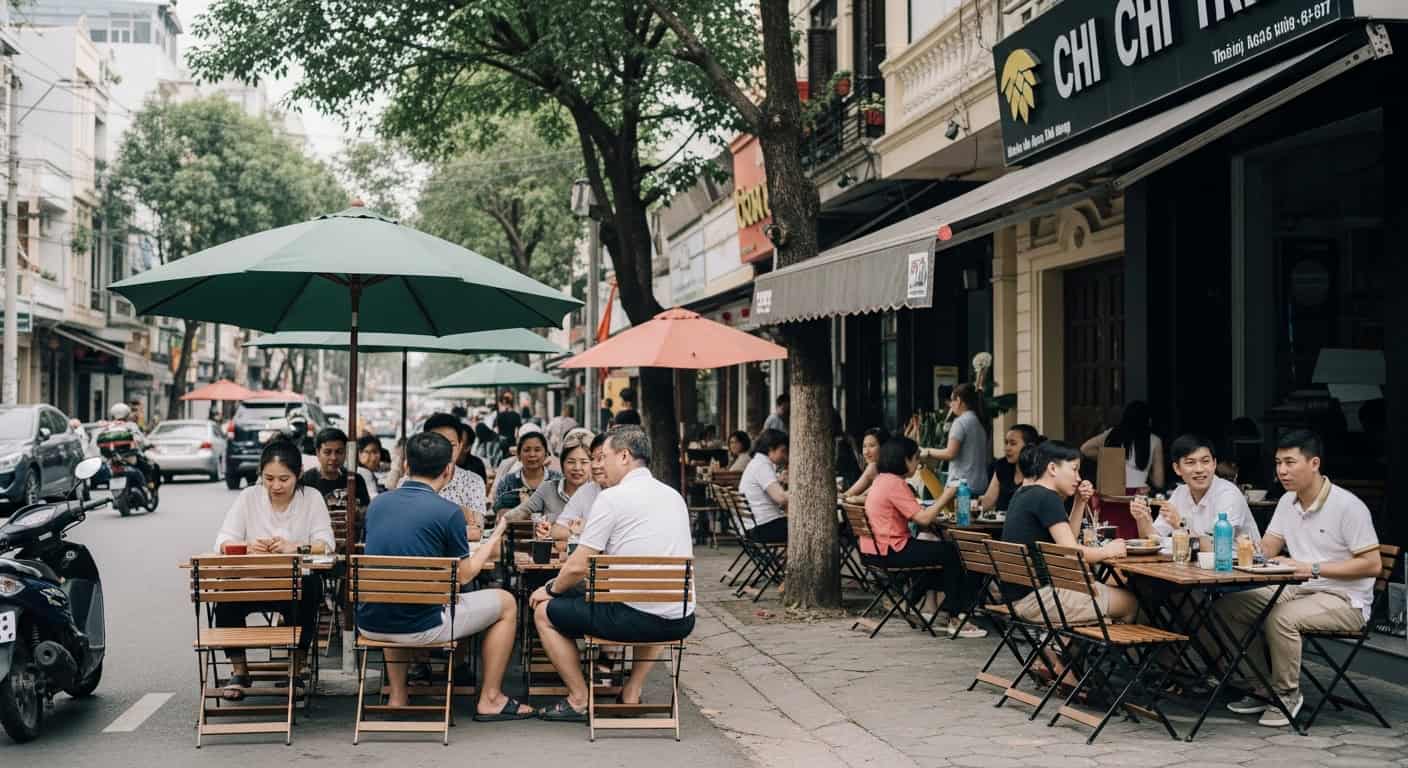
This is what the saigon lifestyle expat residents describe most often when asked why they stayed: the city is always alive. There is no dead hour, no empty street, no moment where the place feels deserted. For people who moved from cities where the streets go quiet at 9pm, this is either deeply energising or deeply exhausting. Most say the former, eventually.
The Real Cost of Living in District 1
Housing is the dominant expense. A modern one-bedroom apartment in a serviced block in D1 — with a pool, gym, and 24-hour security — will cost between $700 and $1,100 per month. Larger two-bedroom units in premium buildings like The Manor, Vinhomes Central Park’s satellite properties near D1, or the Bui Vien-adjacent streets run from $1,200 to $1,800.
Beyond rent, the cost of living is genuinely low. A sit-down lunch at a local Vietnamese restaurant runs $2 to $4. A craft beer at a rooftop bar costs $4 to $6. A gym membership at a well-equipped facility is $40 to $70 per month. Monthly grocery bills for one person shopping at a mix of local markets and international supermarkets (Annam Gourmet, Co.op Mart) average $150 to $250.
According to Numbeo’s 2025 Cost of Living Index, Ho Chi Minh City’s consumer prices are approximately 57% lower than in Singapore and 62% lower than in Sydney, making it one of Southeast Asia’s most financially accessible cities for Western expats.
Total monthly spend for a single expat living comfortably in D1 — including rent, food, transport, leisure, and one or two international flights per year — typically lands between $1,500 and $2,200. Couples with shared rent can manage well on $2,800 to $3,500 combined.
Food: The Centrepiece of Saigon Lifestyle for Expats
Food is not a feature of life in District 1 — it is the primary activity. The density of eating options within a ten-minute walk of any central apartment is staggering. Bui Vien Street offers everything from Vietnamese street food to Indian, Mexican, and Lebanese. Pasteur Street and its surrounding blocks are full of mid-range restaurants targeting the local professional class. Dong Khoi and the river precinct house the upscale end: rooftop restaurants, wine bars, Japanese omakase counters, and hotel dining rooms.
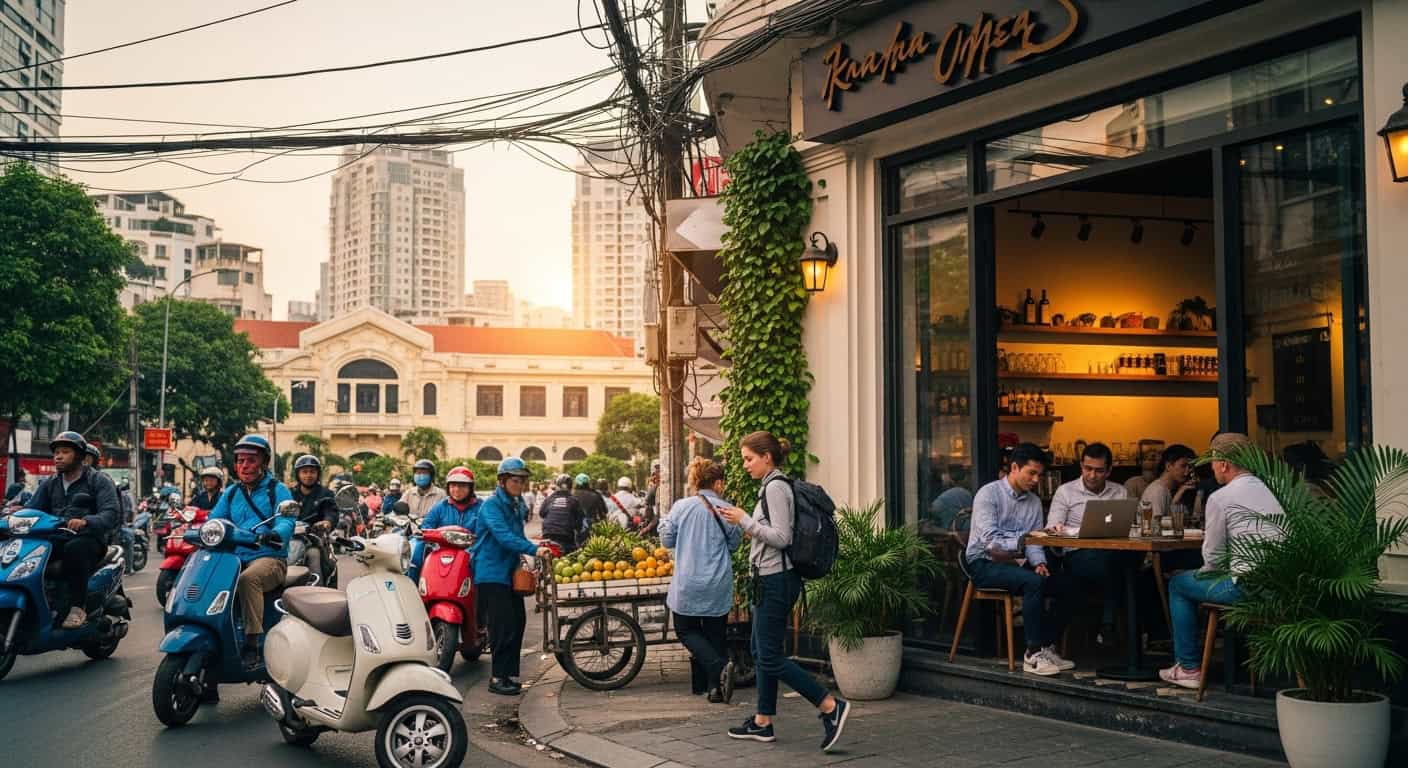
The saigon lifestyle expat food routine tends to establish itself quickly. Breakfast is often a neighbourhood banh mi or a bowl of bun bo Hue from the woman who sets up outside your building. Lunch is frequently at a com tam (broken rice) shop, a pho spot, or one of the dozens of Vietnamese-Western fusion cafes that have opened across the district over the past three years. Dinner is where variety expands — this is when people explore, try new places, eat with friends.
Coffee culture is equally embedded. Saigon’s cafe scene is among the most developed in Southeast Asia. From traditional Vietnamese ca phe sua da to specialty third-wave espresso bars, the options are serious and abundant. Most D1 expats have a rotation of three or four cafes they visit depending on mood and proximity.
Getting Around District 1 and the Wider City
Transport is the aspect of Saigon life that requires the most adaptation. District 1 is walkable for short distances — the central core from Ben Thanh Market to the Saigon River is roughly 2km end to end and navigable on foot. For anything further, the options are motorbike taxi (Grab Bike), car-hailing (Grab Car), or your own motorbike.
Most long-term expats eventually buy or rent a motorbike. The cost of a reliable second-hand Honda Wave or Vision is between $500 and $1,000, and operating costs are minimal — fuel, parking, and occasional maintenance add up to $30 to $50 per month. The trade-off is navigating Saigon’s traffic, which is dense, fast, and operates by informal rules that take time to learn. Most expats describe the first month on a motorbike as stressful and the third month as intuitive.
Grab is the alternative that most newly arrived expats rely on. A Grab Car from D1 to the airport costs $8 to $12. A Grab Bike across the district costs $1 to $2. The app works reliably, surge pricing is modest by international standards, and drivers are generally prompt.
The Expat Social Scene: Networks, Sports, and Community
One of the most underestimated aspects of the saigon lifestyle expat experience is how quickly a social life develops. The city has a large, well-organised expat community that is genuinely welcoming to newcomers. This is partly because turnover is high — many expats are on two or three-year contracts — and partly because the city’s social infrastructure is designed around meeting people.
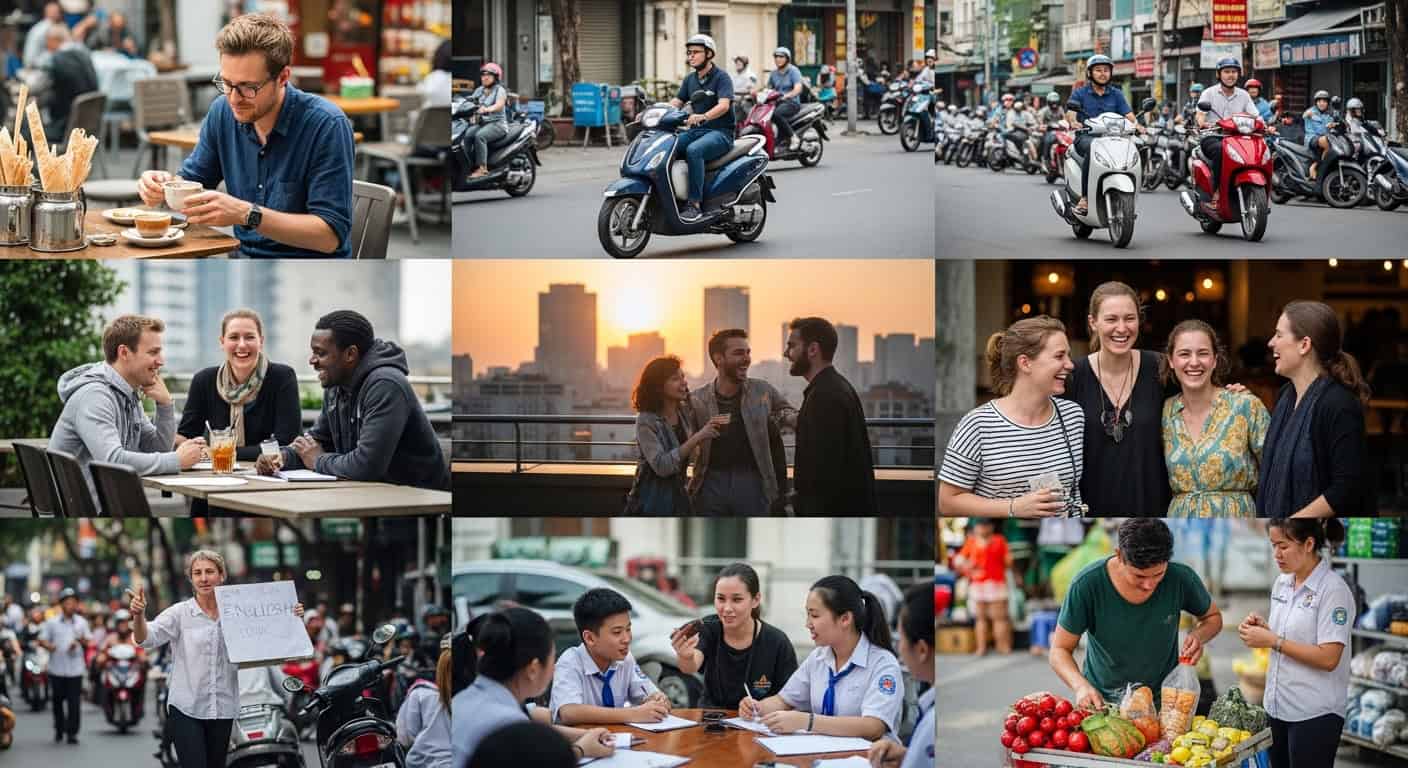
Sports leagues are active year-round: touch rugby, football (soccer), hash house harriers running groups, cycling clubs, and tennis ladders all operate with regular fixtures. Facebook groups for D1 expats and the wider HCMC community are large and active, with events posted weekly. Professional networking events happen at venues like the American Chamber of Commerce, the British Business Group, and various coworking spaces around the district.
The social calendar in D1 is particularly strong. Rooftop happy hours, gallery openings, live music nights, and pop-up markets create consistent reasons to be out. Expats who make an effort to say yes for the first 60 days consistently report having established a solid social network by month three.
Working in Saigon: Coworking, Remote Work, and Employment
According to Vietnam’s Ministry of Planning and Investment (2024), Ho Chi Minh City attracted over $5.6 billion in registered foreign direct investment in 2023, reflecting the city’s continued status as the country’s primary business hub. This investment flows through the CBD, and D1 is where many of the regional offices are based.
For remote workers and freelancers, D1’s coworking infrastructure is well-developed. Spaces like Toong, Dreamplex, and WeWork (now rebranded under local operators) offer hot desk memberships from $100 to $180 per month. Reliable fibre internet (100Mbps+) is standard in both serviced apartments and coworking spaces. The timezone — UTC+7 — works well for teams based in Australia and Europe operating on overlap schedules.
Those employed by local or regional companies typically hold a work permit and a business visa, both of which require employer sponsorship. The process is bureaucratically involved but manageable with the help of a relocation specialist or the HR teams at established multinationals.
Healthcare and Practical Services in D1
English-language healthcare in District 1 is available and genuinely competent. Family Medical Practice on Nam Ky Khoi Nghia is the most established expat clinic in the city, with Australian-trained doctors and a full range of general and specialist services. FV Hospital in District 7 is the premium surgical option, and many expats hold international health insurance (Cigna, AXA, BUPA) that covers treatment at either facility.
Routine medical care is inexpensive by Western standards. A GP consultation at a reputable clinic costs $30 to $60. Dental work — a full cleaning, a crown, or cosmetic work — is significantly cheaper than in Australia, the UK, or the US, and the quality at established practices is high.
Banking, SIM cards, and administrative setup are straightforward. Vietcombank and HSBC both offer accounts accessible to foreign residents with a visa. A local SIM with 10GB data per month costs $5 to $8. Most expats use a combination of a local account for day-to-day spending and an international account (Wise, Revolut) for currency conversion.
The Honest Challenges of Living in District 1
The heat is real. Saigon sits close to the equator and operates at 28–36°C for most of the year, with a rainy season running from May to November that delivers heavy afternoon downpours. Air conditioning is universal in apartments, restaurants, and offices, but outdoor time in the middle of the day requires adjustment. Most expats shift their outdoor activity to mornings before 9am and evenings after 6pm.
Traffic noise and pollution are present and persistent. District 1, particularly the streets around Ben Thanh Market and the Bui Vien backpacker strip, generates constant ambient noise. Apartments on upper floors of setback buildings insulate well; street-facing units on lower floors can be disruptive. This is worth investigating before signing a lease.
The language barrier is lower than many expect for day-to-day living — Google Translate handles menus, signs, and basic interactions competently — but learning basic Vietnamese phrases accelerates every interaction and is received warmly by locals. Fluency is rare among expats who arrive as adults; functional competency in service interactions is achievable within six months of effort.
Where Expats Live in District 1
The streets around Pham Ngu Lao and De Tham are entry-level: cheap guesthouses and budget apartments in a lively, tourist-heavy environment. This is where most backpackers and short-term visitors stay, and it is not typically where professionals choose to rent long-term.
The premium residential corridors in D1 for expats are the riverside blocks near Ton Duc Thang, the streets between Pasteur and Nguyen Thi Minh Khai, and the upper end of Le Thanh Ton. These areas offer quieter streets, closer proximity to the CBD’s offices, and better-quality residential stock.
Many experienced expats relocate after their first year to Binh Thanh District (particularly the Vinhomes Central Park area) or Thao Dien in District 2, both of which offer larger apartments, greenery, and a slightly more suburban feel — while still being 15 to 25 minutes from D1 by car. But most start in D1, and many choose to stay.
Building a Routine: What Settled Expat Life Actually Feels Like
Daily life in D1 Saigon is a continuous accumulation of small pleasures — excellent food within walking distance, a functioning city at low cost, and a social infrastructure that rewards the curious. This is the honest account of what living here actually feels like. The rhythm establishes itself within the first few months: a favourite breakfast spot, a preferred route to work, a coffee shop for afternoon focus, a regular evening run along the riverside path at Ton Duc Thang.
The saigon lifestyle expat experience is not glamorous in the Instagram sense. The streets are not pristine, the traffic is not calm, and the bureaucracy is not efficient. What it is, consistently, is engaging. The city demands attention and rewards it. People who describe their time in Saigon as transformative are almost always describing a version of this: they arrived expecting a temporary posting and found a place that became genuinely hard to leave.
For expats evaluating Southeast Asian cities for a relocation, D1 offers a combination of urban density, food culture, social life, and cost efficiency that is difficult to replicate anywhere in the region at this price point. The saigon lifestyle expat calculation, for most people who try it, tilts heavily toward staying.
You May Also Find Useful
- Expat Life in Hanoi vs Saigon: A District-by-District Quality-of-Life Comparison
- Motorbike vs Grab in Saigon: Which Is Better for Daily Expat Life?
- Best Districts to Live in Ho Chi Minh City for Expats: District-by-District Guide
- Furnished Apartments in Saigon 2026: What True Turnkey Accommodation Looks Like in District 1
Frequently Asked Questions
Is District 1 the best area for expats in Ho Chi Minh City?
District 1 is the most convenient area for expats who want to be close to offices, restaurants, and nightlife, and who prioritise walkability and access to services. It is not the most residential or family-oriented area — expats with children or those seeking more space often prefer Thao Dien (District 2) or Binh Thanh. For single professionals and couples without children, D1 is typically the first choice.
How much money do you need to live comfortably as an expat in Saigon?
A comfortable single-person lifestyle in District 1 — including a modern apartment, daily eating out, occasional travel, gym membership, and leisure spending — typically requires $1,500 to $2,200 per month. Couples sharing accommodation and expenses can live well on $2,500 to $3,500 combined. Remote workers earning Western salaries generally find Saigon very affordable relative to home.
Is it safe to live in Ho Chi Minh City as a foreigner?
Ho Chi Minh City has a low rate of violent crime against foreigners. The primary safety concerns are traffic accidents and petty theft — bag snatching from motorbikes and pickpocketing in crowded tourist areas. Standard urban precautions (not displaying valuables, using crossbody bags, being alert in crowded spaces) address most risks. The vast majority of expats live in D1 without incident for years.
What visa do expats need to live in Saigon long-term?
The most common long-term visa options are the business visa (DN) sponsored by an employer, the investor visa for those with registered business interests, and the e-visa (up to 90 days) for shorter stays. Vietnam does not currently offer a formal digital nomad visa, so remote workers typically enter on tourist or e-visas and exit-reenter periodically, or obtain a business visa through a local company. Immigration rules change regularly, and consulting a local visa agent is advisable for current requirements.
What is the social life like for expats in Saigon’s District 1?
The social scene in D1 is active and easy to enter. Sports leagues, professional networking groups, Facebook communities, and event-based social groups operate year-round and are consistently welcoming to new arrivals. Most expats who make a deliberate effort to attend events and join at least one regular activity (a sports team, a running group, a weekly quiz night) report building a solid social network within two to three months of arriving.
Official Resources
For the most up-to-date information on saigon lifestyle expat, visit the Vietnam Tourism Official Guide.