
If you’re looking for a Saigon first time visitor guide, here’s the short answer: Ho Chi Minh City rewards the prepared traveler and overwhelms the unprepared one. The city moves fast, the streets are loud, and nothing works quite the way you expect — but once you understand the rhythm, it clicks into one of the most exhilarating urban experiences in Southeast Asia. This guide covers everything a first-timer needs to know before landing, on arrival, and across those critical first few days.
Key Takeaways
- Arrive into Tan Son Nhat International Airport (SGN) and take a metered Vinasun or Mai Linh taxi, or book a Grab from the arrivals hall to avoid touts.
- Stay in District 1 or District 3 for your first visit — walkable, central, and well-connected to every major attraction.
- The Ben Thanh Market area, Bui Vien Walking Street, and the Nguyen Hue boulevard are the natural anchors of a first-day orientation walk.
- Street food is safe, exceptional, and cheap — a bowl of pho or banh mi from a reputable stall costs under 50,000 VND (roughly $2 USD).
- Download Grab before you land: it handles taxis, motorbike taxis (GrabBike), and food delivery, and prices are fixed upfront in English.
Understanding Saigon Before You Arrive
Ho Chi Minh City — still called Saigon by nearly everyone who lives here — is a city of nearly 10 million people spread across 19 urban districts and 5 suburban districts. For a first-time visitor, the practical geography is simpler: almost everything you want to see in the first two or three days sits within or just adjacent to District 1, the historic commercial core. District 3 to the northwest adds excellent cafés, local restaurants, and a quieter residential feel. Knowing this geography before you land prevents the anxiety of feeling lost in a vast, unfamiliar megalopolis.

According to the Vietnam National Authority of Tourism, Ho Chi Minh City received over 5 million international visitors in 2024, making it consistently the country’s top international arrival city. The infrastructure for visitors — accommodation, transport apps, English signage in tourist zones — has improved significantly. That said, Saigon still requires active navigation rather than passive tourism. Come with a plan, but hold it loosely.
Saigon First Time Visitor Guide to the Airport and Arrival
Tan Son Nhat International Airport (IATA: SGN) sits about 8 km from the center of District 1. The journey by road takes 20–45 minutes depending on traffic — Saigon’s peak hours run roughly 7–9 AM and 5–7 PM, and the airport road is notorious for congestion. Plan arrivals outside those windows if you have any control over it.
From the international arrivals hall, your safest transport options are:
- Grab app: Book a GrabCar from the designated rideshare pickup zone just outside arrivals. The fare to District 1 runs roughly 150,000–200,000 VND ($6–$8 USD) with no negotiation required.
- Metered taxis: Use only Vinasun (white with green logo) or Mai Linh (green). Do not accept offers from touts inside the terminal.
- Airport bus: Bus 109 runs directly to Ben Thanh Market for 20,000 VND (under $1). Slow, but useful if you’re traveling light and in no hurry.
Your first 72 hours in Saigon set the tone for everything that follows. This guide structures those hours intelligently — from airport arrival to first street food meal to first motorbike taxi — so the city reveals itself in the right order.
Where to Stay: Neighborhoods for First-Time Visitors
District 1 is the default recommendation for first-timers and for good reason. The Pham Ngu Lao backpacker zone offers the city’s densest concentration of budget guesthouses and mid-range hotels, all within walking distance of major landmarks. The Dong Khoi corridor — running from the river up to Notre-Dame Cathedral — hosts international five-stars like the Caravelle, the Sofitel Saigon Plaza, and the Park Hyatt, all a short walk from the same sights.
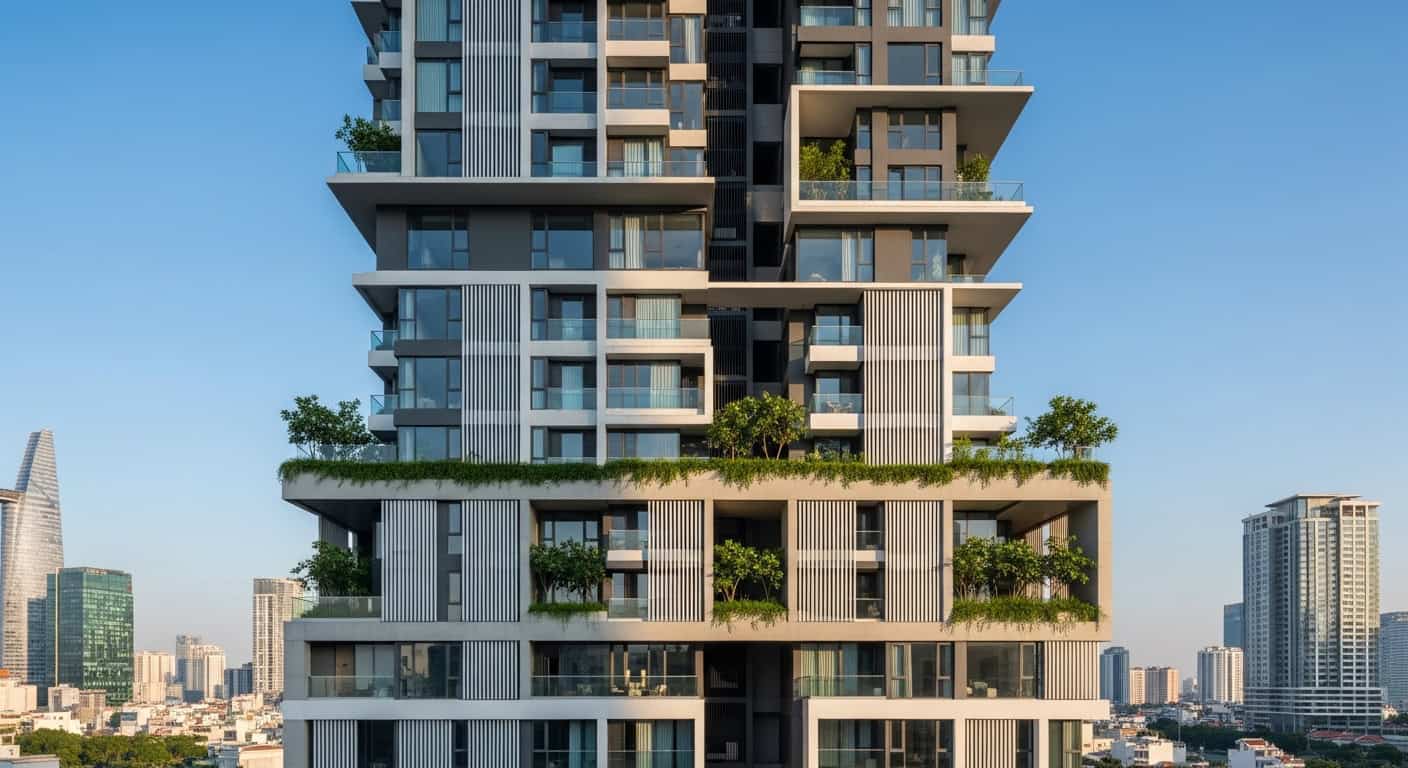
For visitors who prefer local atmosphere with easy central access, District 3 delivers. Streets like Vo Van Tan and Nam Ky Khoi Nghia are lined with French-colonial architecture, independent coffee shops, and Vietnamese restaurants that don’t adjust menus for tourists. Airbnb apartments here offer good value and a more residential experience.
Avoid booking accommodation in Districts 7, 2, or Binh Thanh for a first visit unless you have a specific reason — these areas are comfortable but require transport for everything and add unnecessary complexity to an already full learning curve.
Check saigonapartment.vn for serviced apartment options that give you a kitchen and more space — useful if you’re staying longer than a week or traveling with family.
Getting Around: Transport Options Explained
Saigon has no metro system serving the tourist core yet (Line 1 opened its first stations in late 2024 but currently runs between Ben Thanh and Suoi Tien, useful for day trips east). For getting around District 1 and adjacent areas, your real options are:
- Grab (car or bike): The default choice. Fixed prices, English interface, GPS tracking. GrabBike (motorbike) is faster and cheaper; GrabCar is more comfortable in rain or with luggage.
- Walking: District 1 is actually walkable if you’re willing to cross the street on Saigon terms (walk steadily, don’t stop suddenly, let traffic flow around you).
- Xe om (motorbike taxi): Traditional street-corner bike taxis still exist. Use only if you’re comfortable negotiating fares in advance and reading the situation. Most first-timers are better served by Grab.
- City bus: Cheap and extensive but routes require research. The Moovit app helps navigate the system.
Renting a motorbike is popular among longer-stay visitors but is not recommended for your first week unless you have strong riding experience. Traffic patterns in Saigon are genuinely unlike anything in most Western cities.
The Essential First-Day Walk: Orienting Yourself in District 1
A well-sequenced first walk from Ben Thanh Market north along Le Loi to the Opera House, then east along Dong Khoi to the river, covers most of the city’s colonial-era landmarks and gives you an immediate feel for scale, heat, and pace. The walk takes 45–60 minutes at a tourist pace including stops.

Key stops on this route:
- Ben Thanh Market: The city’s most iconic landmark. Buy nothing on your first visit — prices inside are inflated for tourists and better deals exist elsewhere. Come for context and people-watching.
- Nguyen Hue Walking Street: A broad pedestrian boulevard with the city’s tallest buildings as a backdrop. The street comes alive at dusk with food vendors and street performers.
- Saigon Opera House (Municipal Theatre): A beautiful piece of French-colonial architecture from 1897. Check the schedule — performances range from traditional Vietnamese music to contemporary dance.
- The Saigon River promenade (Bach Dang Wharf): The logical end point of the walk. Sit at a riverside café, order a Vietnamese iced coffee (ca phe sua da), and watch river traffic. This is where the city’s pace becomes tolerable.
What to Eat: A Saigon First Time Visitor Guide to Street Food
Southern Vietnamese cuisine is distinct from what most visitors encounter in Vietnamese restaurants abroad. It’s sweeter, fresher, and herb-heavier than the northern style. As a first-time visitor, these are the dishes to prioritize:
- Pho bo (beef noodle soup): The classic breakfast dish. Find it at Pho Hoa on Pasteur Street — a Saigon institution since 1960.
- Banh mi: The Vietnamese baguette sandwich. Banh Mi Huynh Hoa near Ben Thanh is widely considered the city’s best.
- Com tam (broken rice): Grilled pork over broken rice with pickled vegetables, a fried egg, and fish sauce. This is the quintessential Saigon lunch.
- Hu tieu Nam Vang: A clear pork-and-seafood noodle soup specific to southern Vietnam and the Mekong region — earthier and lighter than pho.
- Banh xeo (sizzling crepe): A crispy rice-flour crepe filled with shrimp, pork, and bean sprouts, eaten wrapped in lettuce leaves with fresh herbs.
According to TripAdvisor’s 2025 Travelers’ Choice data, Ho Chi Minh City ranks among the top 10 global destinations for food tourism, with street food specifically cited as a primary motivation for 68% of surveyed visitors. The data matches the reality on the ground: Saigon’s food scene operates at a quality-to-price ratio that is difficult to match anywhere in the world.
Must-See Attractions for a Saigon First Time Visitor
Beyond the orientation walk, three sites are essential on any first visit:
The War Remnants Museum
Located on Vo Van Tan Street in District 3, this museum documents the American War from the Vietnamese perspective. It is confronting, unflinching, and important. Allow two hours minimum. The outdoor display of US military hardware and the third-floor photojournalism galleries are the most significant sections. Admission is 40,000 VND (around $1.60 USD).
The Reunification Palace
The former South Vietnamese presidential residence where the war effectively ended on April 30, 1975. The building has been preserved largely intact, including the underground command bunker. It communicates the 1970s aesthetic of Saigon’s elite in a way that no museum exhibit could. Located on Nam Ky Khoi Nghia Street, District 1.
The Jade Emperor Pagoda (Phuoc Hai Tu)
In the backstreets of District 3, this 1909 Taoist-Buddhist temple is the most atmospheric religious site in central Saigon. Go early morning (before 9 AM) when worshippers come to burn incense. Arrive respectful — this is an active place of worship, not a set piece for photography.
Day Trips Worth Taking: Beyond the City Center
Once you’ve absorbed the city itself, two day trips are standard recommendations for first-timers:
- Cu Chi Tunnels (40 km northwest): The wartime tunnel network used by Viet Cong fighters. The Ben Dinh site is less crowded than Ben Duoc and better maintained. Book a half-day tour from District 1 or hire a private car through Grab.
- Mekong Delta (60–80 km south): A boat-based day trip through the river villages of My Tho or Ben Tre. Coconut candy workshops, floating markets, and rice paddies feel genuinely far from the city. Most tours depart at 8 AM and return by 5 PM.
Practical Tips: Weather, Money, SIM Cards, and Safety
Saigon has two seasons: dry (November–April) and wet (May–October). The wet season brings heavy afternoon downpours — typically 30–60 minutes — after which the sky clears. A small umbrella or raincoat is essential from May onwards. Temperatures hover between 28°C and 36°C year-round.
Money: The Vietnamese Dong (VND) trades at roughly 25,000 per US dollar. Carry cash for markets, street food, and smaller restaurants. ATMs (look for Vietcombank or Techcombank) charge modest fees. Most mid-range and above restaurants accept cards.
SIM cards: Buy a local SIM at the airport immediately — Viettel and Vietnamobile both offer tourist packages with 5–10 GB of data for under 100,000 VND. Your passport is required for registration.
Safety: Saigon is generally safe for tourists. Bag snatching from motorbikes is the primary risk — keep bags on your inside shoulder, away from the road, especially in crowded tourist zones. Phone-snatching while you walk and use your phone is also a documented risk. Use phones in cafés and restaurants, not while standing on the street.
How to Use This Saigon First Time Visitor Guide Across Your Trip
This saigon first time visitor guide is designed to sequence your experience rather than exhaust every option. On day one, orient yourself with the District 1 walk and eat something from a street stall. On day two, tackle the War Remnants Museum and the Reunification Palace in the morning (both are within walking distance of each other), then spend the afternoon in District 3’s café culture. Day three is for a day trip or for wandering the Ben Thanh night market and Bui Vien. By day four, you’ll have enough spatial understanding of the city to improvise — which is when Saigon starts to feel like somewhere you know rather than somewhere you’re visiting.
The broader point this saigon first time visitor guide is making: give the city time. The visitors who come away disappointed from Ho Chi Minh City are almost always those who tried to see everything in 24 hours. The ones who come back are those who slowed down enough to eat breakfast at the same stall twice.
You May Also Find Useful
- Where to Stay in Ho Chi Minh City 2026: The Complete Neighborhood Guide for First-Time Visitors
- Ho Chi Minh City Guide for Tourists and First-Time Visitors 2025
- HCMC in 48 Hours: The Perfect Weekend Itinerary for First-Time Visitors
- Vietnam Travel Insurance: What You Actually Need as a Long-Stay Visitor
Frequently Asked Questions
Is Saigon safe for solo female travelers?
Yes, with standard urban precautions. District 1 and the backpacker zone are well-lit, heavily trafficked, and reasonably safe at night. The key risks — bag snatching, phone theft from the street — apply regardless of gender. Use Grab rather than street taxis late at night, avoid isolated alleys, and trust your instincts. Many solo female travelers rank Saigon among the more welcoming cities they’ve visited in Asia.
How many days do I need in Saigon as a first-time visitor?
Three to five days is the standard recommendation. Three days covers the essential sites, a day trip, and basic street food orientation. Five days allows for a more relaxed pace, exploration of outer districts like District 4 (excellent seafood) or District 5 (Cholon, Saigon’s Chinatown), and a Mekong Delta day trip without feeling rushed.
What is the best time of year to visit Saigon?
November through February is the most comfortable period — lower humidity, minimal rain, and temperatures in the high 20s Celsius. December and January are peak tourist months with correspondingly higher accommodation prices. March and April are hot and dry. The wet season (May–October) is manageable if you embrace the afternoon rain pattern and carry an umbrella.
Do I need to speak Vietnamese to visit Saigon?
No. English is widely spoken in District 1 hotels, restaurants, and tourist sites. Outside the tourist zone, basic communication is possible with Google Translate’s camera function (photograph Vietnamese menus for instant translation) and a few courtesy phrases: xin chao (hello), cam on (thank you), bao nhieu (how much). Locals respond warmly to any attempt at the language, even imperfect.
What should I avoid doing as a first-time visitor to Saigon?
Avoid accepting unsolicited help from strangers at the airport — legitimate taxi services don’t approach passengers inside terminals. Don’t drink tap water. Don’t rent a motorbike before you’ve spent a few days watching how local traffic works. Don’t assume prices at Ben Thanh Market are fixed (they aren’t, and everything is negotiable). And don’t book accommodation in a distant district before you understand the city’s geography — proximity to District 1 in your first few nights saves time, money, and disorientation.
Official Resources
For the most up-to-date information on saigon first time visitor guide, visit the Vietnam National Administration of Tourism.