
Vietnam Visa Guide for Saigon Visitors: E-Visa, on Arrival, and Requirements
Understanding Saigon visa guide requirements is essential for expats planning a long-term stay in Vietnam. Vietnam introduced a reformed visa system in 2023 that significantly simplified entry for most travelers. The e-visa is now valid for 90 days (up from 30), available to citizens of 152 countries, and can be obtained in 2-3 business days. According to Vietnam’s Ministry of Public Security (2024), over 8 million e-visas were issued in 2024, a 340% increase from 2022. Getting the right visa before you arrive in Saigon is straightforward — if you know exactly which process applies to you.
Key Takeaways
- Citizens of 152 countries can apply for a Vietnam e-visa online, valid for 90 days (single or multiple entry), for a fee of USD $25.
- Citizens of 45 countries qualify for visa-free entry for 15-90 days depending on nationality (Vietnam Ministry of Foreign Affairs, 2025).
- The official e-visa website is operated by Vietnam’s Ministry of Public Security. Only use the official government portal to avoid third-party fee scams.
- Processing time is typically 2-3 business days, though 5-7 days is safer to allow before departure.
- Visa-on-arrival is available at all international airports and select land/sea borders.
Saigon Visa Guide: Do You Need a Visa to Visit Vietnam?
Whether you need a visa for Vietnam depends on your nationality. Vietnam operates three distinct entry categories: visa-exempt nationalities who can enter without any advance application, nationalities eligible for the e-visa, and nationalities who must apply for a visa at a Vietnamese embassy or use the visa-on-arrival process. The vast majority of Western travelers fall into the first two categories, making entry straightforward.
The 2023 visa reform was a major shift in Vietnam’s approach to tourism. The previous 30-day e-visa was widely criticized as too short for meaningful travel, and the jump to 90 days put Vietnam on par with Thailand and other regional competitors. The expansion of visa-exempt countries was equally significant: many European nationals now enter visa-free for up to 45 days, eliminating any advance process entirely.
Always check the current rules for your specific passport before traveling. Visa policies update periodically, and the most reliable source is the official website of Vietnam’s Ministry of Foreign Affairs or the Vietnamese embassy in your country. The information in this guide reflects the rules as of early 2026 but may change.
Which Countries Are Visa-Exempt for Vietnam?
As of 2025, the Vietnam Ministry of Foreign Affairs lists 45 countries with visa-free access, though the allowed stay duration varies significantly by nationality. Travelers from visa-exempt countries enter on their regular passport with no advance application required. Entry is stamped at the border, and the clock starts on your first day in Vietnam.
Countries with 45-Day Visa-Free Entry
Most Western European countries now qualify for 45-day visa-free entry, including Germany, France, Italy, Spain, the Netherlands, Belgium, Denmark, Norway, Sweden, Finland, Austria, Switzerland, Portugal, and many others. The UK also qualifies for 45 days visa-free. This expanded arrangement, introduced in 2023, removed the need for advance paperwork for a large share of European travelers.
Countries with 30-Day Visa-Free Entry
Japan and South Korea have 45-day visa-free arrangements. The United States does NOT qualify for visa-free entry as of 2025 — American passport holders must apply for an e-visa. Australia and Canada are also not visa-exempt and require the e-visa process. Always verify your specific country’s status at the official Vietnamese government portal before booking flights, as new exemptions are occasionally added.
ASEAN Countries
Most ASEAN member state passport holders qualify for visa-free entry, typically for 30 days, under the ASEAN travel agreement. This covers travelers from Thailand, Malaysia, Singapore, Indonesia, the Philippines, Cambodia, Laos, Myanmar, and Brunei, though the exact duration varies by bilateral arrangement.
How Does the Vietnam E-Visa Work?
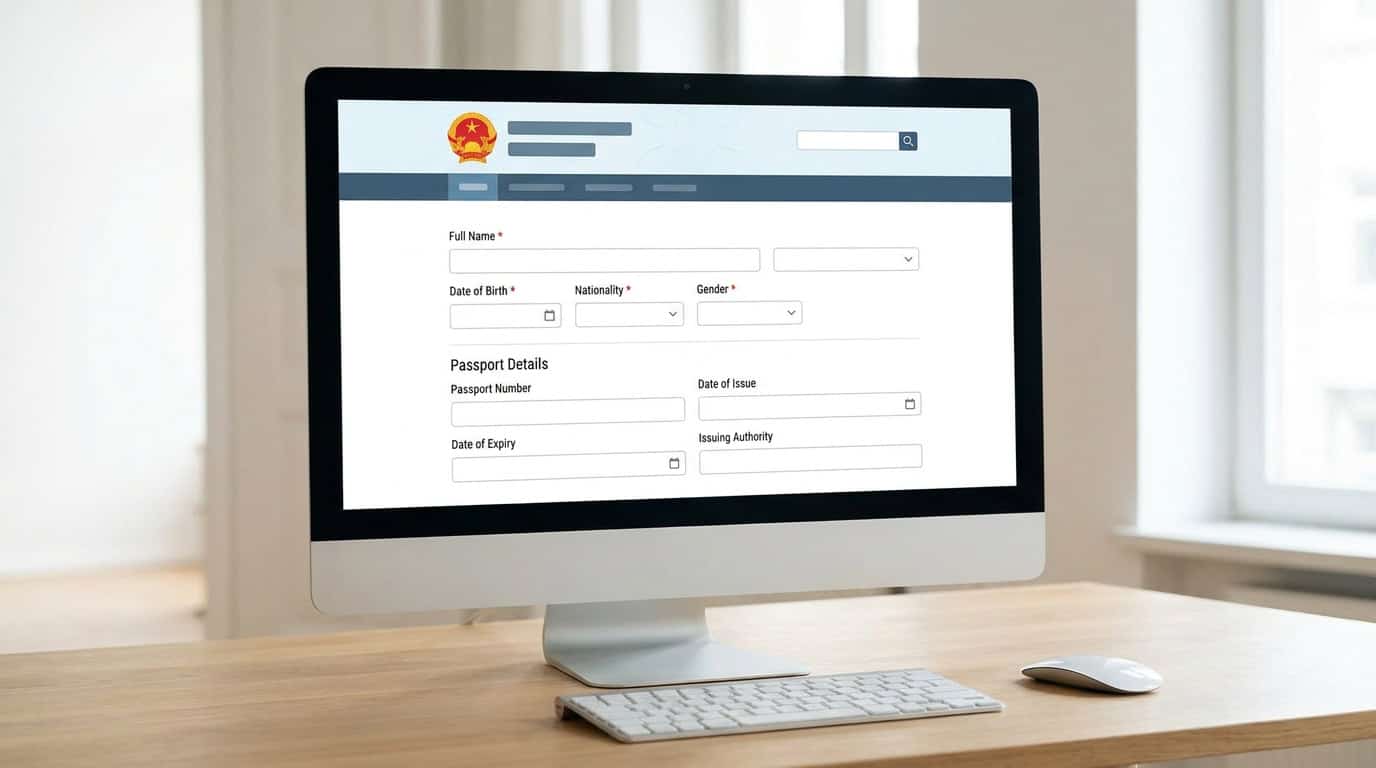
The Vietnam e-visa is the correct entry method for most non-exempt travelers, including Americans, Canadians, Australians, and citizens of many other countries. The e-visa costs USD $25, is valid for 90 days, and can be single-entry or multiple-entry. According to the Vietnam Ministry of Public Security (2024), the approval rate for e-visa applications from eligible nationalities is over 97%, making rejection rare for travelers who submit complete, accurate information.
Step-by-Step E-Visa Application Process
Step 1: Go to the official Vietnam e-visa portal operated by the Ministry of Public Security. Be cautious of third-party “visa service” websites that charge USD $50-150 to submit the same application on your behalf. The official government site charges USD $25 only. The official URL format uses the evisa.xuatnhapcanh.gov.vn domain.
Step 2: Select “E-visa application” and fill in your personal details: full name exactly as printed on your passport, date of birth, nationality, passport number, passport expiry date, and port of entry. The entry port matters — if you’re flying into Tan Son Nhat Airport in Saigon, select that as your entry point. If you later decide to enter from a different border, you can amend this, but it’s easier to get it right the first time.
Step 3: Upload a passport-style photo (white background, face clearly visible) and a scan or clear photo of your passport’s biodata page. Both uploads have specific size and format requirements listed on the portal. JPEG format at 500KB-1MB works for most submissions.
Step 4: Pay the USD $25 fee using an international credit or debit card. Visa and Mastercard are accepted. Keep the payment confirmation reference number.
Step 5: Wait 2-3 business days for approval. Your e-visa will be emailed as a PDF. Print a paper copy and carry it with your passport. Airlines may ask to see it at check-in, and immigration officers will check it on arrival.
What to Do on Arrival with an E-Visa
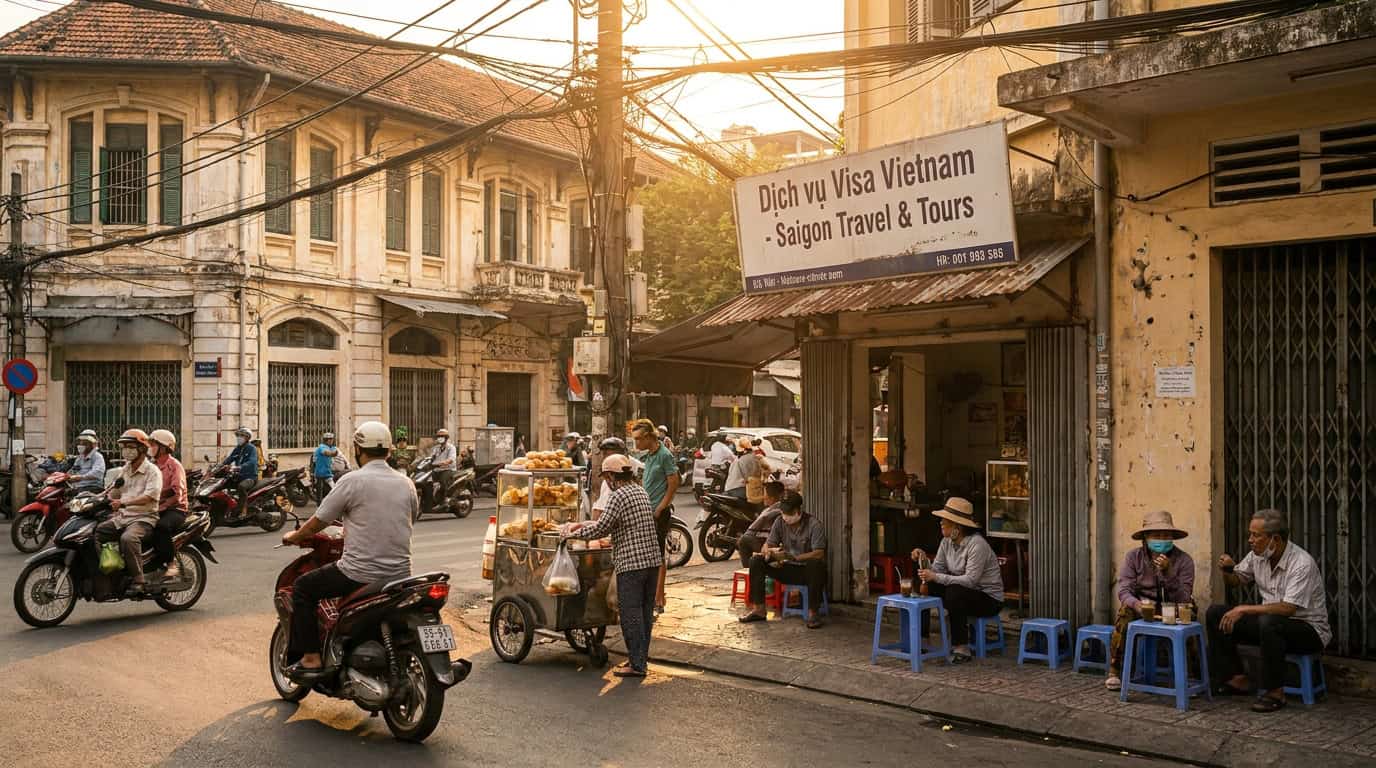
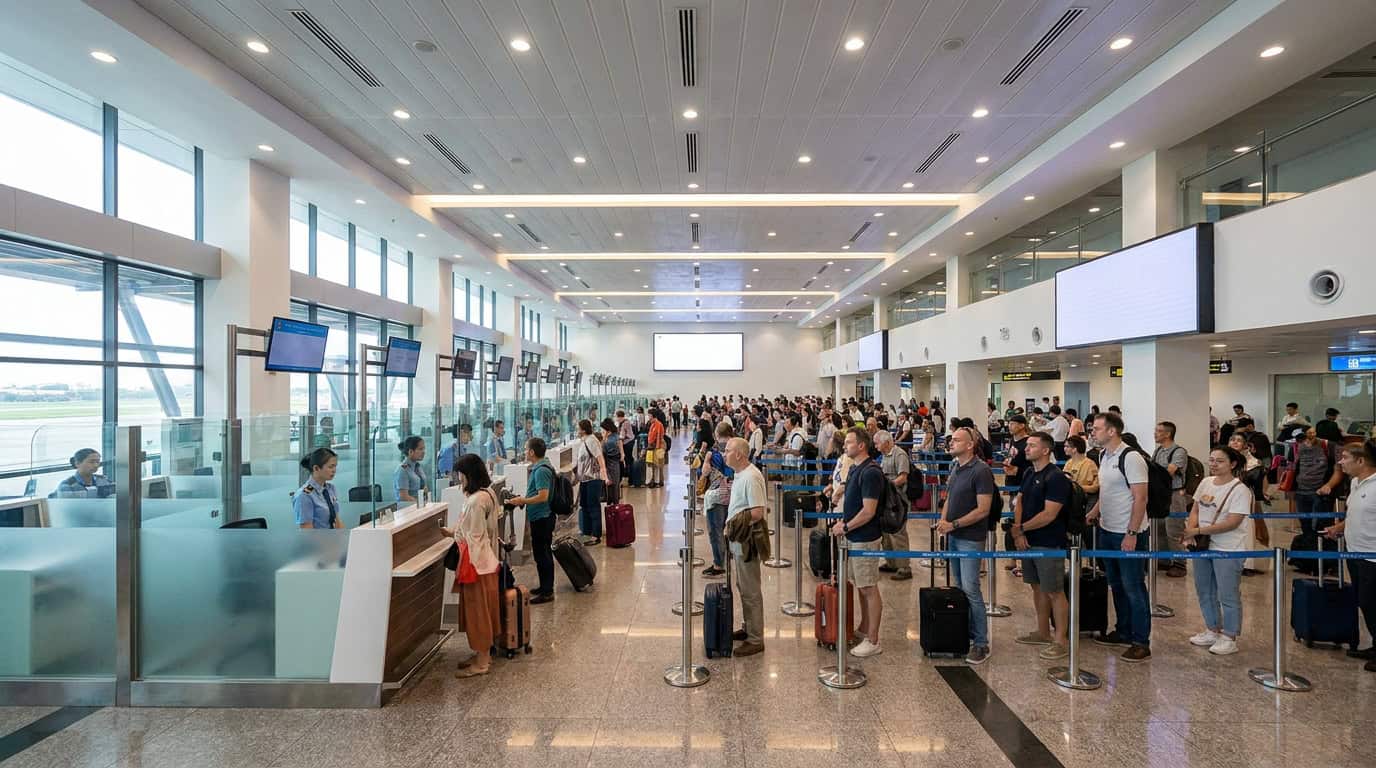
At Tan Son Nhat Airport (Saigon), follow signs to “Immigration” after deplaning. Join the appropriate queue: “E-visa” or “Foreign Passport.” Present your passport and printed e-visa to the immigration officer. The officer will check your documents, ask your purpose of visit (tourism is standard), and stamp your passport. The process usually takes 5-20 minutes depending on queue length. Arrival at peak times (7:00-10:00 AM and 4:00-8:00 PM) can mean longer queues.
What Is Visa on Arrival and When Should You Use It?
Visa on arrival (VOA) is available at Vietnam’s international airports and select land and sea borders. However, the e-visa has essentially replaced VOA as the preferred entry method for most travelers. VOA requires a “letter of approval” obtained through a travel agency before departure, plus payment of a stamping fee at the airport ($25-50 USD). This two-step process is more complicated than the e-visa and costs the same or more. The e-visa is simpler and more reliable in almost every case.
The main remaining use case for VOA is for nationalities whose countries were added to the e-visa eligibility list recently and who applied before the system updated, or for certain business visa categories that aren’t available via the standard e-visa portal. If you fall into a genuinely unusual category, consult the Vietnamese embassy in your home country rather than relying on information from travel blogs.
What Are the Most Common Vietnam Visa Mistakes?
The most frequently reported e-visa mistake is a name mismatch between the application and the passport. Vietnamese immigration computers verify name, date of birth, and passport number exactly against the approval. An extra space, a missing middle name, or a name order error (Vietnamese names are written family name first; Western passports are usually given name first) can cause delays or rejection at immigration. Enter your name exactly as it appears in your passport, character by character.
Second common mistake: using a third-party “visa service” website. Dozens of websites exist that look like official Vietnam visa portals but charge USD $50-150 to submit the exact same application to the government portal that you can do yourself for USD $25. These are not illegal, but they’re unnecessary. The official government portal is straightforward to use in English.
Third: not checking passport validity. Vietnam requires your passport to be valid for at least 6 months beyond your intended entry date. If your passport expires within 6 months of your arrival, renew it before applying for a visa. Immigration will deny entry regardless of a valid e-visa if the passport doesn’t meet this requirement.
What About Extending Your Vietnam Visa?
Vietnam’s 90-day e-visa cannot currently be extended inside the country. If you want to stay longer than 90 days, you have three primary options. First, “visa run” to a neighboring country (Cambodia or Thailand) and re-enter Vietnam on a new 90-day e-visa. This is legal and commonly used by long-term travelers and digital nomads. Second, apply for a business visa (DN or NN1/NN2 category), which can be issued for 1-2 years with single or multiple entry. This requires a Vietnamese company to sponsor the application. Third, apply for a tourist visa extension at a Vietnamese immigration office before your current visa expires. Immigration offices in District 1 and District 3 handle these applications, and extension rules change periodically.

For most short-term travelers, the 90-day e-visa is more than sufficient. Vietnam’s full travel circuit from Saigon in the south to Hanoi and Sapa in the north can be comfortably covered in 3-4 weeks, well within the 90-day window.
Frequently Asked Questions
How long does a Vietnam e-visa take to process?
Standard processing time for a Vietnam e-visa is 2-3 business days from the date of application, according to the Ministry of Public Security’s official guidance (2025). During peak travel periods (December-February and June-August), processing can take up to 5-7 business days. Apply at least 1 week before your departure to be safe. Emergency processing is not officially available through the standard portal, so don’t leave your application until the last minute.
Can US citizens visit Vietnam without a visa?
No. As of 2025, US passport holders are not on Vietnam’s visa-exempt list and must apply for a Vietnam e-visa before traveling. The e-visa costs USD $25, is valid for 90 days (single or multiple entry), and can be obtained online in 2-3 business days. There have been ongoing negotiations about adding the US to Vietnam’s visa-exempt list, but no formal announcement had been made as of early 2026. Check the Vietnam Ministry of Foreign Affairs website for the most current information.
What is the Vietnam e-visa validity — 30 days or 90 days?
Since the August 2023 reform, Vietnam e-visas are valid for 90 days (not 30 days as under the old system). The e-visa is available as single-entry or multiple-entry. Multiple-entry is particularly useful for travelers planning border crossings to Cambodia, Laos, or Thailand during their Vietnam trip, as it allows re-entry on the same visa rather than requiring a new application. Both single and multiple-entry versions cost USD $25.
What happens if my e-visa is rejected?
E-visa rejection is rare for eligible nationalities (over 97% approval rate, Ministry of Public Security, 2024) but can happen. Common causes: name mismatch with passport, expired passport, incomplete upload documents, or applying from a sanctioned country or with a flagged travel history. If rejected, the USD $25 fee is non-refundable. Reapply carefully, correcting any errors from your first attempt, or contact the Vietnamese embassy in your home country for guidance on an alternative application method.
Do I need to print my Vietnam e-visa?
Yes, print a paper copy of your Vietnam e-visa approval letter and carry it with your passport. Airlines may ask to see it at check-in before boarding, and Vietnamese immigration officers will verify it on arrival. A digital copy on your phone is a useful backup, but printed paper is the standard requirement. Keep the document accessible in your carry-on or travel document folder, not packed in checked luggage.
For more Saigon guides, check out: District 4 Saigon Guide: Seafood, Locals, and Hidden Gems Near D1, Vietnam Visa Guide for Expats: E-Visa, Work Visa and Long-Stay Options (2026).
For official information and further reading, visit Vietnam Immigration Department.