
A realistic backpacking Vietnam budget in 2026 runs between $25–$55 USD per day depending on how hard you hustle for deals. That figure covers a dorm bed or cheap private room, street food and local restaurants, city transport, and a handful of activities. Vietnam remains one of Southeast Asia’s best-value destinations, but costs have crept up since 2023 — this guide gives you the honest, current numbers so you don’t arrive underprepared.
Key Takeaways
- Budget backpackers spend $25–$35/day; mid-range independent travelers spend $40–$55/day in 2026.
- Ho Chi Minh City (Saigon) is the cheapest major city for accommodation and food compared to Hoi An or Hanoi’s Old Quarter.
- The Vietnamese dong (VND) exchange rate hovers around 25,000–26,000 VND per USD in mid-2026 — always pay in VND, never USD.
- Overnight buses and trains slash accommodation costs; a Saigon–Da Nang sleeper bus costs roughly 250,000–350,000 VND ($10–$14).
- The single biggest budget killer is not food or beds — it’s tour packages and visa fees if you don’t plan ahead.
What Does a Backpacking Vietnam Budget Actually Look Like Day to Day?
Let’s cut through the vague ranges most travel blogs publish. Here is a realistic daily backpacking Vietnam budget broken into three traveler profiles:
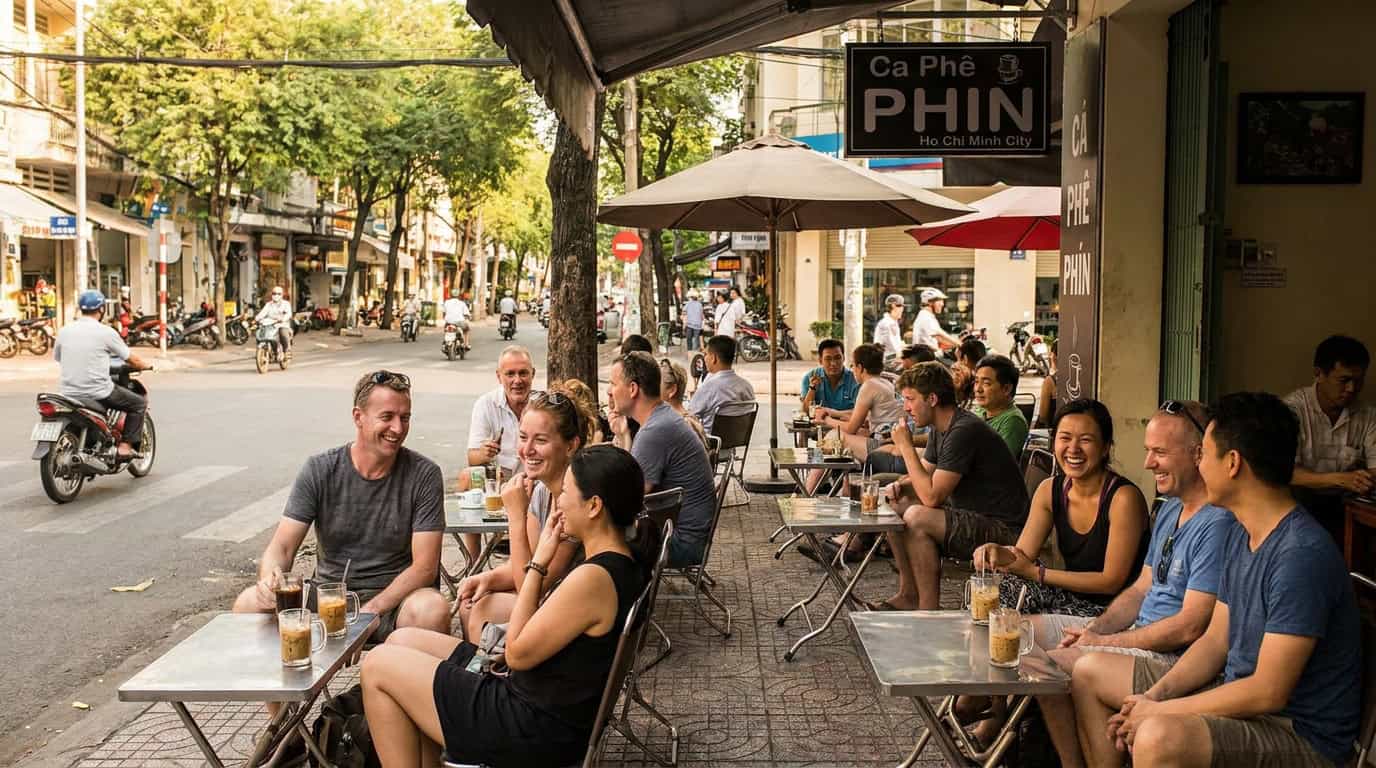
- Shoestring ($20–$28/day): Dorm bed in Saigon’s Pham Ngu Lao area (100,000–150,000 VND), three street-food meals (60,000–120,000 VND total), xe om or walking for transport, free walking tours, one cheap beer at happy hour.
- Standard backpacker ($30–$45/day): Private en-suite room at a budget guesthouse, mix of street food and sit-down local restaurants, grab rides or day trip transport, one paid activity (museum, cooking class, boat tour).
- Comfort backpacker ($45–$65/day): Boutique hostel private room or budget hotel, café lunches and mid-range dinners, occasional Grab car, two or three paid activities per week.
According to Numbeo’s 2025 Cost of Living Index, Ho Chi Minh City ranks among the bottom 15% globally for consumer prices, making it genuinely one of the most affordable urban bases in all of Asia for long-term backpackers.
Accommodation Costs: Dorms, Guesthouses, and Budget Hotels
Accommodation is usually 30–40% of any backpacking Vietnam budget, so getting this right matters. In Ho Chi Minh City, District 1 around Bui Vien and Pham Ngu Lao remains the hostel heartland:
- Dorm beds: 100,000–180,000 VND ($4–$7) per night for 6–10 bed dorms with air-con and free breakfast at decent hostels.
- Budget private rooms: 300,000–550,000 VND ($12–$22) at mini-hotels or guesthouses in D1 and D3.
- Mid-tier private rooms: 600,000–900,000 VND ($23–$35) for en-suite with hot water, reliable WiFi, and daily cleaning.
Outside Saigon, Hoi An and Da Lat run slightly higher for dorms due to tourist demand, while Mui Ne and Phan Thiet are still extremely affordable for beach destinations.
The honest budget breakdown every backpacker needs includes knowing that weekly rates at Saigon guesthouses drop 20–30% off the daily rack rate — always ask. When you’re ready to upgrade from dorms, our D1 apartments are the natural next step, offering full kitchens, laundry, and monthly rates that undercut hotels significantly for stays of two weeks or more.
Food and Drink: Eating Well Without Burning Your Budget
Food in Vietnam is the budget traveler’s greatest ally. You can eat extremely well on 150,000–250,000 VND ($6–$10) per day if you eat where locals eat:
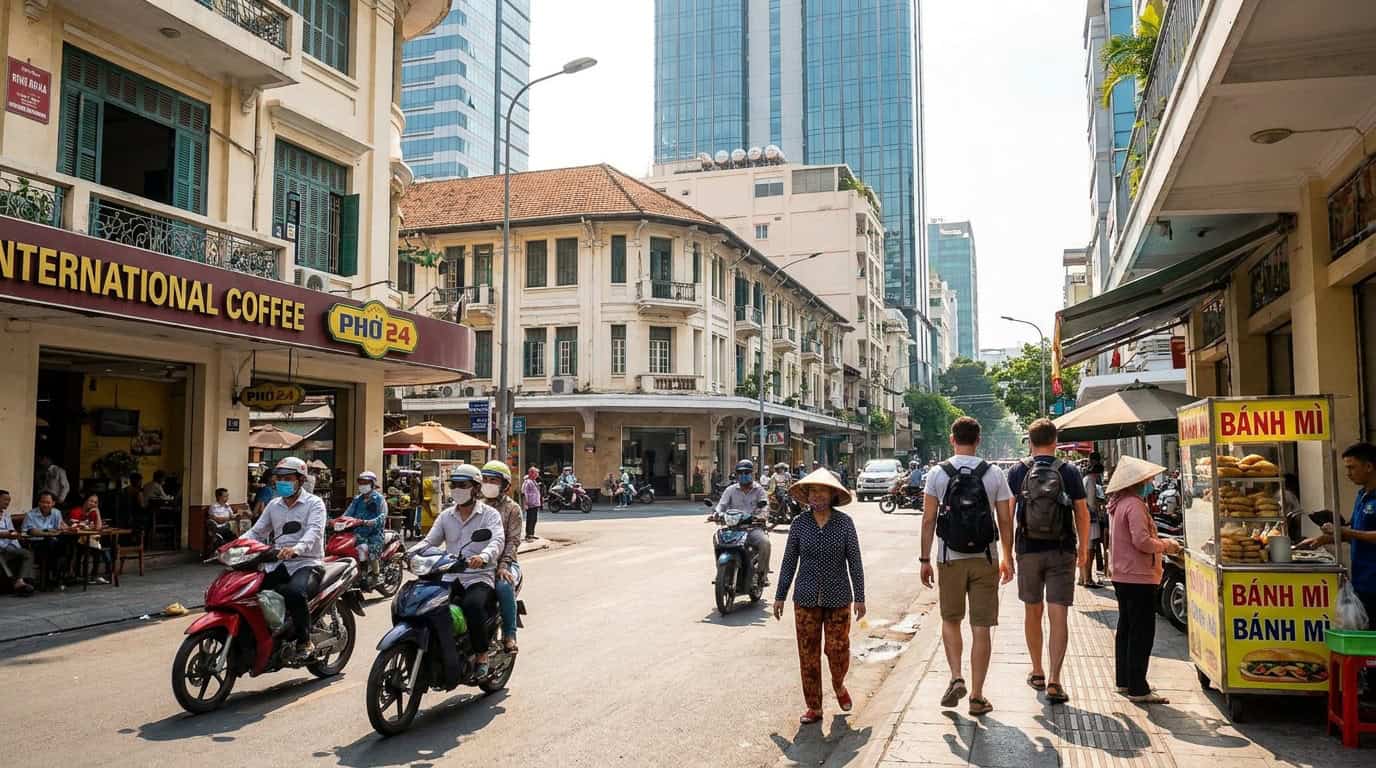
- Banh mi from a street cart: 25,000–40,000 VND ($1–$1.60)
- Pho or bun bo Hue at a local shop: 40,000–70,000 VND ($1.60–$2.80)
- Com tam (broken rice with pork): 45,000–80,000 VND at Saigon rice shops — filling, fast, and delicious
- Fresh fruit shakes: 20,000–35,000 VND ($0.80–$1.40)
- 333 or Saigon lager: 15,000–25,000 VND at a plastic-stool bia hoi (street beer stall)
Bui Vien Street bars charge tourist prices — 50,000–80,000 VND per beer. Walk one block inland and prices halve. The same rule applies to coffee: a cà phê sữa đá (Vietnamese iced milk coffee) costs 20,000–30,000 VND at a local ca phe shop versus 60,000–90,000 VND at a branded chain.
Getting Around Vietnam: Transport Costs for Backpackers
Transport is where a backpacking Vietnam budget can spike unexpectedly. Here are the real 2026 numbers:
- Grab motorbike (GrabBike) in HCMC: 15,000–30,000 VND for most cross-district rides under 5 km — the backbone of cheap city transport.
- Grab car: 60,000–120,000 VND for mid-range city journeys.
- Bus (public): 6,000–8,000 VND flat fare inside HCMC — the absolute cheapest option but slower.
- Saigon to Da Nang overnight bus: 250,000–380,000 VND ($10–$15) — saves a night’s accommodation cost.
- Saigon to Hanoi sleeper train (soft sleeper): 750,000–1,100,000 VND ($29–$43) — book via Vietnam Railways website 2–3 weeks ahead.
- Budget domestic flights (Vietjet, Bamboo): 400,000–900,000 VND ($16–$35) Saigon–Hanoi on sale, but luggage fees add up fast.
The open-bus tourist pass (Saigon → Hoi An → Hue → Da Nang → Hanoi) from operators like The Sinh Tourist runs around $35–$45 USD total and is still legitimate value for first-timers covering the full length of the country.
Vietnam Visa Costs in 2026
Visa expenses punch above their weight in any backpacking Vietnam budget calculation. Vietnam’s e-visa system now covers most nationalities:

- Vietnam e-visa (90-day single entry): $25 USD — apply at evisa.xuatnhapcanh.gov.vn, typically approved in 3 business days.
- Vietnam e-visa (90-day multiple entry): $50 USD — worth it if you plan to cross into Cambodia or Laos and return.
- Visa-exempt nationalities: Citizens of Thailand, Singapore, Germany, France, UK, Italy, Spain, and others get 45–90 days visa-free. Check the current list before applying.
Avoid third-party visa agencies charging $40–$80 for a service you can do yourself in 10 minutes. That extra spend wipes out two to three days of food budget.
Activities and Entrance Fees: What to Budget for Experiences
Vietnam’s best experiences are cheap. A curated week in Saigon and surrounds on a tight backpacking Vietnam budget might look like:
- War Remnants Museum (HCMC): 40,000 VND ($1.60) — essential, sobering, and one of Southeast Asia’s most powerful museums.
- Cu Chi Tunnels day trip: 150,000–200,000 VND entry + 200,000–300,000 VND transport via local minibus (skip the $18 tourist bus).
- Mekong Delta day tour: 350,000–550,000 VND ($14–$22) all-in through local operators versus $45–$60 on Viator.
- Ben Thanh Market and surrounding streets: Free to walk — budget 50,000–150,000 VND for snacks and fresh juice.
- Hoi An Ancient Town (from Saigon via bus or flight): Ticket combo for five heritage sites is 120,000 VND ($4.80).
According to the Vietnam National Administration of Tourism (VNAT) 2024 Annual Report, the average international backpacker spends 47 USD per day in Vietnam — suggesting that hitting $30–$35 is genuinely achievable with local knowledge, while $55+ usually reflects package tours and tourist traps.
SIM Cards, Data, and Communication Costs
A local SIM is non-negotiable for cheap Grab rides and navigation. At any airport or convenience store:
- Viettel 30-day SIM with 20GB data: 150,000–200,000 VND ($6–$8) — best coverage nationwide including rural areas.
- Vietnamobile prepaid data-only SIM: 50,000–100,000 VND for 7-day plans, adequate for cities.
- Top-up cards: Available at any Circle K, Vinmart, or roadside stall for 50,000–100,000 VND increments.
Skip airport roaming and skip eSIM services charging $25+ for the same data. Walk to the Viettel kiosk inside Tan Son Nhat arrivals hall (domestic terminal exit area) and you’ll be connected for under $8 within 20 minutes of landing.
How to Stretch Your Backpacking Vietnam Budget Further
These are the high-impact moves that experienced Saigon residents use to keep costs low:
- Stay longer in fewer places. Two weeks in Saigon with day trips beats rushing through 10 cities. Accommodation weekly rates and local knowledge compound into real savings.
- Eat the set lunch (com trua). Many Saigon restaurants offer a fixed lunch set — rice, protein, soup, and drink — for 55,000–90,000 VND. It’s the best-value meal of the day.
- Use the public bus for airport runs. Bus 109 connects Tan Son Nhat Airport to Ben Thanh for 20,000 VND versus a Grab car at 80,000–150,000 VND.
- Book sleeper buses and trains as your accommodation. An overnight journey saves $5–$15 on a bed and moves you to your next destination simultaneously.
- Avoid Bui Vien on weekends. The tourist strip inflates every price around it. Same beer, same banh mi — 40% cheaper two streets away.
- Negotiate monthly rates early. For stays beyond two weeks, ask any guesthouse or apartment for a monthly price. In District 1 you can land a clean private room or studio for 5,000,000–8,000,000 VND/month ($190–$310) — roughly the same as 10–12 nights at a hostel private room rate.
Sample Monthly Budget Breakdown for Saigon
For a backpacker spending one full month in Ho Chi Minh City as a base:
- Accommodation (budget private room, monthly rate): $200–$280
- Food (mostly local restaurants, occasional café): $150–$220
- Transport (Grab, bus, two day trips): $60–$90
- Activities (museums, one Mekong tour, nightlife): $40–$80
- SIM + miscellaneous: $20–$35
- Total: $470–$705/month — or roughly $16–$24/day when staying put in one city.
This is why Saigon attracts digital nomads and long-stay backpackers: the per-day cost drops dramatically once you stop moving and negotiate longer-term rates.
Common Budget Mistakes First-Time Backpackers Make in Vietnam
After years living in District 1, these are the money leaks that drain budgets fastest:
- Paying USD instead of VND. Merchants quote in USD at inflated rates. Always carry VND and always pay in VND.
- Using ATMs at tourist spots. Vietcombank and Techcombank ATMs have the lowest fees (roughly 33,000 VND per transaction). Avoid airport ATMs and machines inside shopping malls on Dong Khoi Street.
- Booking all tours through hostels. Hostel tour desks mark up 20–40% over street-level operators on Pham Ngu Lao itself.
- Overestimating food costs. New arrivals budget $10–$15/day for food out of caution. You can eat brilliantly on $5–$7 once you know your local spots.
- Taking taxis from the airport. Use Grab or Bus 109. Official metered taxis cost 150,000–250,000 VND to D1; unofficial taxis at departures doors charge $15–$25 flat.
You May Also Find Useful
Once the route is settled, Booking.com and Agoda are the quickest way to see what is still available on your dates in Ho Chi Minh City.
Frequently Asked Questions
How much money do I need per day for backpacking Vietnam in 2026?
A realistic backpacking Vietnam budget is $25–$35 per day on shoestring, $35–$50 on a standard backpacker budget, and $50–$70 for comfort travel. These figures include accommodation, food, local transport, and one activity per day. Long stays in a single city like Saigon can push your daily cost down to $16–$22 with monthly accommodation rates.
Is Vietnam still cheap for backpackers in 2026?
Yes — Vietnam remains one of the most affordable countries in Southeast Asia for independent travel. Prices have risen 15–25% since 2020 due to inflation and increased tourism, but the fundamentals are intact: street food under $2, dorm beds under $7, and free or near-free access to most of the country’s best natural and cultural experiences.
What is the cheapest city in Vietnam for backpackers?
Ho Chi Minh City (Saigon) and Hanoi are the cheapest major cities thanks to high competition among accommodation and food providers. Smaller cities like Da Lat and Nha Trang can be cheaper for accommodation but have fewer budget food options. Hoi An is beautiful but runs 20–30% more expensive than Saigon for equivalent accommodation.
How much cash should I bring to Vietnam?
Arrive with $100–$200 USD in cash as a buffer, then withdraw VND locally. Most Saigon transactions above 100,000 VND at restaurants, convenience stores, and guesthouses now accept card or QR payment (MoMo, ZaloPay, Visa/Mastercard). However, street food stalls, xe om drivers, and market vendors remain cash-only.
Can I backpack Vietnam on $1,000 USD for a month?
Yes, comfortably. A $1,000/month budget in Vietnam works out to $33/day — enough for a private guesthouse room, three local meals daily, regular Grab transport, a few day trips, and a reasonable nightlife budget. Many experienced backpackers do it on $700–$800 by staying in dorms or negotiating monthly guesthouse rates in District 1 or District 3.
Official Resources
For the most up-to-date information on backpacking vietnam budget, visit the Numbeo – Cost of Living in Ho Chi Minh City.