
Living as an expat in Vietnam in 2026 is one of the most rewarding — and occasionally maddening — experiences you can have in Southeast Asia. Ho Chi Minh City (Saigon) remains the top destination for expats relocating to Vietnam, offering a combination of career opportunities, affordable living, world-class food, and a social scene that genuinely pulls people in for years longer than they planned. This guide covers everything you actually need to know: visas, neighborhoods, costs, culture, and how to build a life that lasts.
Key Takeaways
- Vietnam’s e-visa now covers 90 days and supports multiple entries, making it the default entry point for most expats in 2025–2026.
- Ho Chi Minh City remains the most popular expat hub, with District 1, District 2 (Thao Dien), and Binh Thanh offering the best mix of amenities and community.
- Monthly living costs for a comfortable expat lifestyle in Saigon range from $1,200 to $2,500 USD depending on accommodation and lifestyle choices.
- Learning even basic Vietnamese — greetings, numbers, food vocabulary — dramatically improves daily quality of life and local relationships.
- Long-term residency is achievable through work permits, business registration, or spousal visas, but requires planning and local legal support.
Why Vietnam Still Attracts Expats in 2026
Vietnam’s appeal for expats has only strengthened over the past few years. According to a 2024 InterNations Expat Insider survey, Vietnam ranked among the top 10 destinations globally for quality of life and ease of settling in. The combination of a dynamic economy, genuinely warm local culture, excellent food at every price point, and a cost of living that allows most Western-salaried expats to live very well makes Saigon particularly hard to leave.
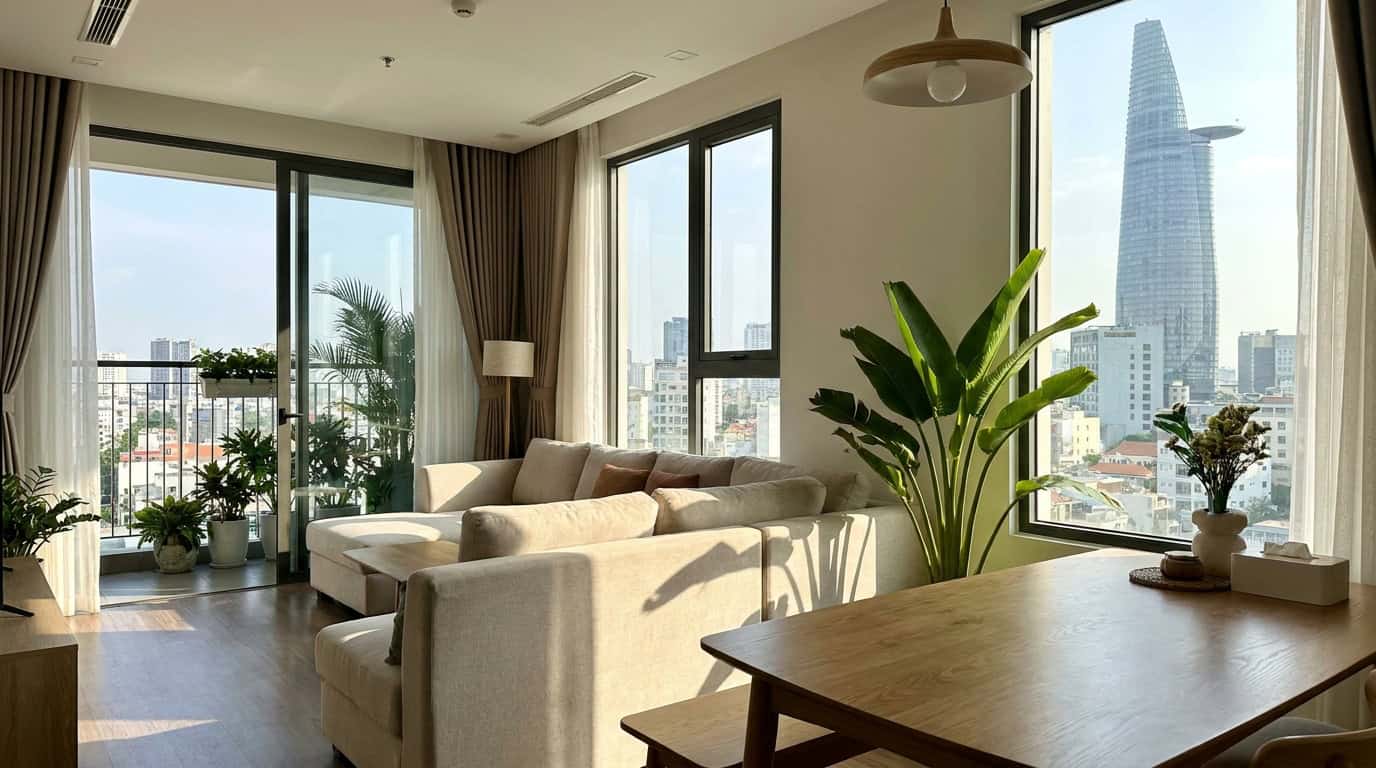
The country’s tech and startup ecosystem has matured significantly. Remote workers, digital nomads, and professionals relocated by multinationals all find Saigon accommodating. High-speed fiber internet is widely available, co-working spaces are excellent, and international schools have expanded to meet growing demand.
Visa Options for Expat Vietnam Residents
Getting your visa situation right is the first practical step for any expat in Vietnam. The landscape changed substantially in 2023 and has stabilized since.
- E-Visa (90-day, multiple entry): The default choice for most new arrivals. Apply online through Vietnam’s official immigration portal before you travel. Valid for tourism and short-term stays while you sort out longer-term options.
- Work Permit + Temporary Residence Card (TRC): Required if you’re employed by a Vietnamese company or a foreign company operating in Vietnam. TRCs are typically issued for 1–2 years and are renewable. Your employer’s HR team or a local legal firm handles the heavy lifting.
- Business Visa (DN): Useful for freelancers and business owners. Less straightforward than it once was; pair this with a local legal adviser.
- Spousal/Family Visa: If you’re married to a Vietnamese citizen, this pathway offers multi-year residency and is increasingly common among long-term expats.
- Visa runs: Once a rite of passage, visa runs are now largely unnecessary given the 90-day e-visa. That said, some expats on informal arrangements still use border crossings to Cambodia or short flights to Bangkok as a reset.
One important note: Vietnam does not currently offer a formal “digital nomad visa,” but the e-visa plus solid internet infrastructure means remote workers operate comfortably within the existing framework. Always keep your paperwork current — overstaying a Vietnamese visa results in fines and potential bans.
Where to Live: Best Neighborhoods for Expats in Ho Chi Minh City
Choosing the right neighborhood is one of the most consequential decisions you’ll make as an expat in Vietnam. Each district has a distinct character, and where you live shapes your daily experience more than almost any other factor.
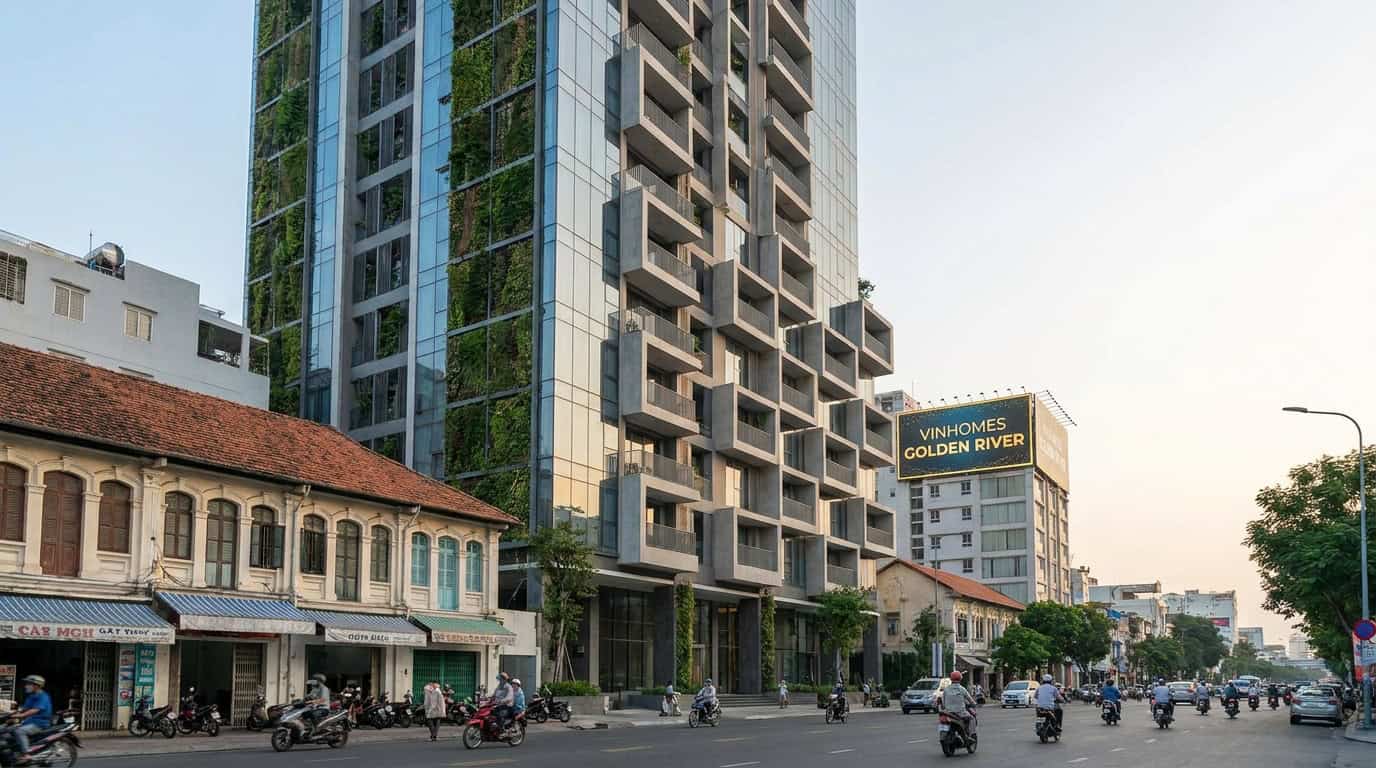
District 1 — The Urban Core
District 1 is Saigon’s beating heart: walkable, central, and packed with restaurants, rooftop bars, co-working spaces, and the best transport links in the city. It suits expats who want to be embedded in city life and don’t mind noise and traffic. Serviced apartments and managed accommodation here tend to be high quality and include utilities, cleaning, and security — making the transition from arrival to settled resident much smoother.
District 2 / Thao Dien
Thao Dien has been the “expat enclave” for over a decade, and it remains the top choice for families and professionals seeking a quieter, greener environment. International schools (British International School, RMIT, European International School) are concentrated here, as are western-style supermarkets, family restaurants, and a dense expat social network.
Binh Thanh
An increasingly popular middle ground. More affordable than District 1 or Thao Dien, with improving infrastructure and a growing co-working and café culture. Good transport connections via the new metro (Line 1 opened fully in 2024) have made this district far more attractive.
District 3 and Phu Nhuan
Local-leaning districts with excellent Vietnamese food scenes, slightly lower rents, and an authentic street-level atmosphere. Popular with expats who have been in Saigon for a few years and want to move out of the obvious expat zones.
Cost of Living as an Expat in Vietnam
Vietnam’s affordability is one of its biggest draws, but costs have risen steadily. According to Numbeo’s 2025 Cost of Living Index, Ho Chi Minh City is approximately 65% cheaper than London and 58% cheaper than Sydney on a like-for-like basket of goods and services.
Realistic monthly budgets for a single expat in Saigon break down roughly as follows:
- Budget ($1,200–$1,500/month): Shared apartment or studio in a local area, eating Vietnamese food daily, local transport, minimal going out.
- Comfortable ($1,800–$2,500/month): One-bedroom serviced apartment in District 1 or Binh Thanh, mix of local and western dining, gym membership, occasional weekend travel.
- Generous ($3,000+/month): Large apartment in Thao Dien or a luxury serviced unit in District 1, imported groceries, international dining, private health insurance, regular short-haul travel.
Accommodation is typically the largest expense. A managed, fully-furnished one-bedroom apartment in District 1 with utilities and weekly cleaning runs $800–$1,400/month. The convenience factor for new expats is significant: no setup hassle, no chasing landlords, and a community of other residents from day one.
Working in Vietnam as an Expat
The job market for expats in Vietnam is strongest in technology, finance, education (English teaching remains robust), hospitality management, and senior roles in manufacturing and logistics. Multinational corporations — particularly in tech, FMCG, and professional services — regularly rotate international staff through their Vietnam operations.
Remote work has become normalized. Saigon’s co-working ecosystem is genuinely world-class: Toong, Dreamplex, Kafnu, and dozens of independent spaces cater to every style of work. A dedicated co-working desk typically costs $150–$250/month, and private offices start around $400/month for a single person.
If you’re starting a business, Vietnam’s Foreign-Invested Enterprise (FIE) registration process has improved but still requires local legal support. Budget 2–4 months for full setup, and engage a reputable law firm from the outset. Minimum capital requirements vary by business type.
Culture, Etiquette, and Fitting In
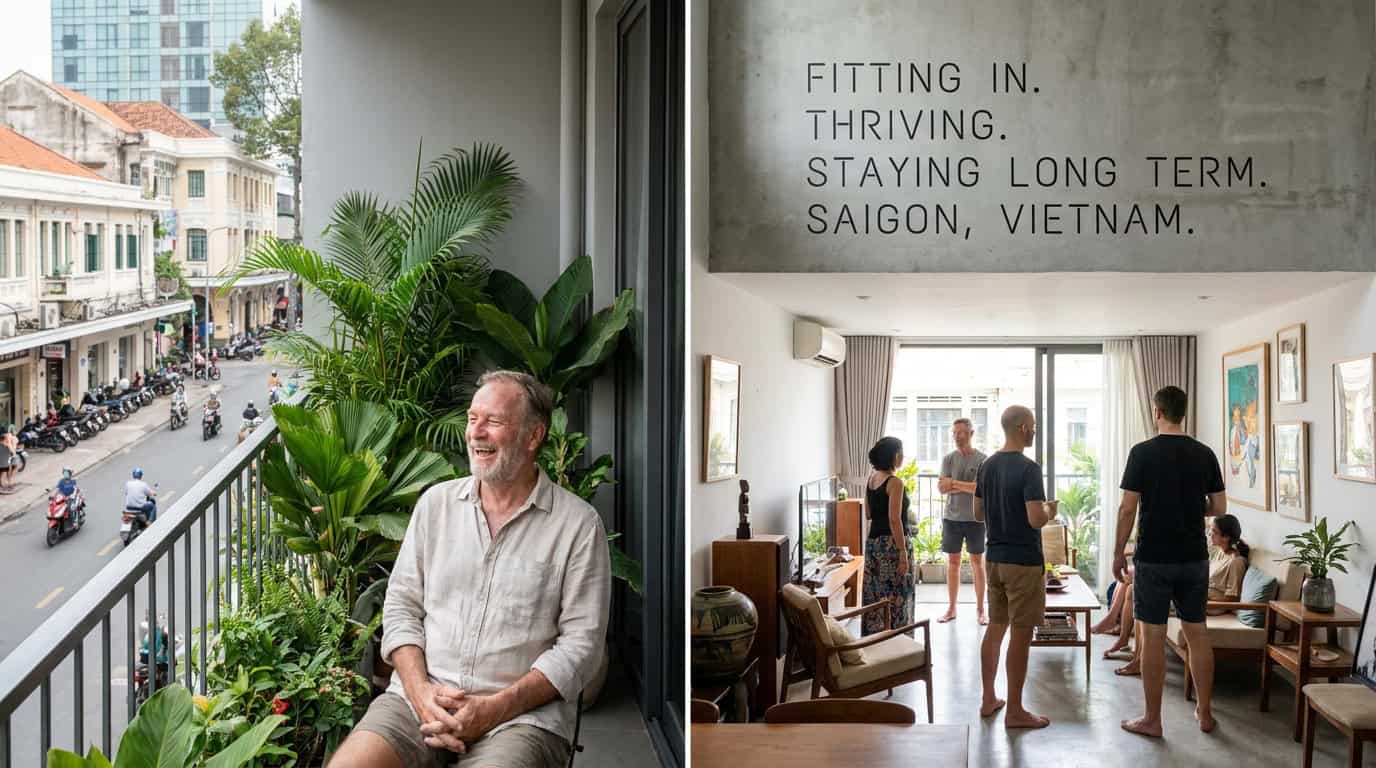
Fitting in as an expat in Vietnam doesn’t require becoming Vietnamese — but it does require genuine respect and a willingness to meet people where they are. A few principles that make the biggest difference:
- Learn the basics of Vietnamese. Even stumbling through basic greetings (xin chào, cảm ơn) and numbers at the market creates an entirely different reception than speaking only English. Locals genuinely appreciate the effort, and it breaks ice faster than anything else.
- Understand the face culture. Direct confrontation, public criticism, and aggressive bargaining (beyond the accepted norm) all create friction that is hard to repair. Keeping interactions light and non-confrontational, especially in professional settings, matters.
- Food is a social connector. Accepting invitations to eat, being willing to try new dishes, and showing enthusiasm for Vietnamese cuisine signals respect in a way that transcends language.
- Be patient with bureaucracy. Vietnam’s administrative processes can be opaque and slow. Building relationships with reliable fixers, lawyers, and local contacts makes everything move faster.
- Dress appropriately at temples and formal settings. Shorts and vests are fine for the street; cover up for temple visits and business meetings.
Healthcare for Expats in Vietnam
Healthcare quality in Ho Chi Minh City has improved dramatically. For expats, the go-to facilities are international hospitals and clinics: FV Hospital, Hanh Phuc International Hospital, and the HCMC Family Medical Practice are consistently recommended. These facilities have English-speaking staff, international-standard equipment, and are accustomed to working with expat health insurance.
Private international health insurance is strongly recommended — major providers like Cigna, Allianz Care, and AXA all offer Vietnam-specific plans. Expect to pay $1,200–$2,500/year for solid individual coverage. Dental care is excellent and affordable; orthodontic work and cosmetic dentistry draw medical tourists from across the region specifically to Saigon.
Pharmacies are widespread and many medications available only on prescription in Western countries can be purchased over the counter. Always verify medications with a qualified physician before self-prescribing.
Building a Social Life and Community
One of the underrated truths about expat Vietnam life: the social infrastructure in Saigon is exceptional. The city has active expat communities organized around sports leagues (touch rugby, football, running clubs like the Hash House Harriers), professional networks, hobby groups, and neighborhood associations.
The expats who stay in Vietnam long-term share one trait: they found the right base early. District 1, managed accommodation, and community. Having neighbors who are also navigating a new city, a building with organized social events, and a central location that makes spontaneous meetups easy — these aren’t luxuries, they’re the practical infrastructure of a sustainable life abroad.
Online communities — Facebook groups like “Saigon Massive,” “HCMC Expats,” and neighborhood-specific groups — are genuinely useful for recommendations, warnings, and finding flatmates or activity partners. Don’t underestimate them.
Education for Expat Families
If you’re relocating with children, Ho Chi Minh City’s international school landscape is one of the most comprehensive in Southeast Asia. Major options include:
- British International School (BIS) — IB curriculum, strong academic reputation, large campus in District 2.
- European International School (EIS) — IB, diverse international community, growing fast.
- RMIT University Vietnam — Higher education option for older children or continuing studies.
- American School Vietnam — US curriculum, strong community programs.
Fees range from $15,000 to $30,000+ USD per year. Most employers offering expat packages include school fees in their compensation structure, but independent expats should factor this in carefully. Waitlists at top schools can be 6–12 months, so apply early — ideally before you arrive.
Long-Term Residency and Staying Legally
Vietnam does not offer permanent residency in the same way many Western countries do. Long-term legal stay is maintained through rolling work permits and TRCs, business registration, or family connections. Some expats have maintained continuous legal residence for 10–15 years through a combination of these pathways.
Key practical steps for long-term expats:
- Engage a Vietnamese lawyer or specialist expat legal service from year one.
- Keep all documents (passport, visa, TRC, work permit) current — never let anything lapse.
- Register your address with local ward authorities (your landlord or building management typically handles this).
- Maintain a local bank account; Vietcombank and HSBC Vietnam are popular choices with expat-friendly services.
Practical Day-to-Day Life in Saigon
A few realities that shape daily life as an expat in Vietnam that guidebooks often underplay:
- Traffic: Saigon’s motorbike-dominated traffic is chaotic but has a logic to it. Most expats buy or rent a motorbike for convenience; Grab (the regional Uber equivalent) is excellent for nights out and rainy days. The new metro Line 1 has changed commuting options significantly for those living in the east.
- Heat: Average temperatures of 28–35°C year-round with high humidity. Air conditioning is ubiquitous in apartments, offices, and restaurants. Budget for electricity accordingly.
- Food: Eating out is cheap, excellent, and deeply embedded in daily life. Most expats eat out far more than they cook. A full Vietnamese meal at a local spot costs $2–5; a good Western restaurant meal is $15–30.
- Language barrier: English proficiency is high in service industries and improving among younger Vietnamese. Outside tourist and business areas, Vietnamese remains essential. Google Translate’s camera function is your friend.
- Payment: Cash (VND) is still king for markets, street food, and smaller shops. Credit cards work at supermarkets, restaurants, and malls. Mobile payment apps (MoMo, VNPay) are used extensively by locals and are easy for expats to adopt.
You May Also Find Useful
Frequently Asked Questions
How much money do I need to live comfortably as an expat in Vietnam?
A comfortable single expat lifestyle in Ho Chi Minh City typically requires $1,800–$2,500 USD per month. This covers a decent serviced apartment in a central district, regular dining out at a mix of local and western restaurants, gym access, health insurance, and some travel. Families with children in international schools should budget $4,000–$6,000/month or more.
Is Vietnam safe for expats?
Vietnam is one of the safer countries in Southeast Asia for expats. Violent crime targeting foreigners is rare. Petty theft — particularly bag snatching from motorbikes — is the most common issue in central Saigon. Standard urban precautions apply: don’t display expensive items on the street, use reputable transport at night, and keep valuables secure. The general social environment is welcoming and non-threatening.
What is the best district to live in as an expat in Ho Chi Minh City?
It depends on your lifestyle. District 1 suits single expats and young professionals who want to be in the center of everything. District 2 / Thao Dien is the top choice for families due to international schools and a quieter environment. Binh Thanh offers good value and improving amenities. Most long-term expats recommend starting in District 1 to learn the city, then moving once you know what you want.
Do I need to speak Vietnamese to live in Vietnam as an expat?
You do not need Vietnamese to live a functional expat life in Saigon — English is widely spoken in business, hospitality, and service environments. However, learning basic Vietnamese makes daily life significantly more enjoyable, opens up more authentic experiences, and is deeply appreciated by local colleagues and neighbors. Apps like Pimsleur, Duolingo, and local tutors (easily found via Facebook groups) make getting started straightforward.
Can I work remotely in Vietnam on a tourist visa?
Many remote workers do operate in Vietnam on the 90-day e-visa, and this is common practice in 2026. Vietnam does not currently have a dedicated digital nomad visa. Technically, working for a foreign employer while on a tourist visa exists in a grey area. In practice, the authorities are not enforcing against remote workers earning foreign-sourced income, but the legal status remains ambiguous. If you plan to stay long-term, obtaining a work permit through a local employer or registering a business provides much cleaner legal footing.
Official Resources
For the most up-to-date information on expat vietnam, visit the Vietnam Tourism Official Guide.