
The saigon dry season runs from roughly December through April, bringing consistently sunny skies, lower humidity, and temperatures that hover between 28°C and 35°C across Ho Chi Minh City. If you are planning a visit or deciding when to sign a lease, this is the period when the city operates at its smoothest — streets drain faster, outdoor life extends into the evening, and the constant threat of a sudden downpour simply disappears for months at a time.
Key Takeaways
- The Saigon dry season officially spans December to April, peaking in comfort between January and March.
- Temperatures stay warm but tolerable, averaging 29–33°C with low humidity compared to wet-season peaks.
- Flooding virtually disappears in District 1, making walking, cycling, and outdoor dining far more practical.
- Tourist crowds peak around Tết (late January or February), so book accommodation and restaurants early for that window.
- Utility bills, particularly air-conditioning costs, tend to rise in March and April as temperatures climb before the rains return.
When Exactly Is the Saigon Dry Season?
Ho Chi Minh City follows a tropical monsoon pattern with two clearly defined seasons rather than the four-season calendar most Western visitors expect. The saigon dry season begins in earnest around mid-November when the southwest monsoon retreats, and it winds down in late April or early May when the first pre-monsoon showers arrive. The driest months are January, February, and March, when rainfall totals can drop to single-digit millimetres. April is technically still dry season but begins warming rapidly, and by the first week of May most locals brace for the return of afternoon thunderstorms.
Within the dry season, there is a meaningful sub-division. December and early January still carry occasional overcast days left over from the northeast monsoon affecting northern Vietnam. True peak dry season — clear blue skies, low wind, comfortable mornings — arrives by mid-January and holds through March. That three-month window is when HCMC is most photogenic and most walkable.
How Temperature and Humidity Actually Feel Day to Day
Numbers on a weather app do not capture the full picture. A 33°C day in February feels substantially different from a 33°C day in October because relative humidity during the dry season often drops to 55–65%, compared with 80–90% during monsoon months. Mornings before 9 a.m. are genuinely pleasant for outdoor exercise, café sitting, or exploring on foot. Midday heat between noon and 3 p.m. is intense regardless of season, and locals structure their day around it — lunch breaks are long, and many errands wait until 4 p.m. or later.
According to the Vietnam Meteorological and Hydrological Administration, Ho Chi Minh City’s average dry-season high reaches its annual peak in April at approximately 35.9°C, while January averages a more comfortable 31.2°C. Visitors arriving in January or February often describe it as the only time they felt genuinely comfortable walking between neighbourhoods without soaking a shirt within ten minutes.
What Changes on the Streets During Dry Season
The most immediate difference is underfoot. District 1’s pavements, which become obstacle courses of puddles and motorbike splash zones during the wet season, are clean and dry within hours of any brief shower. Dry season in D1 means cleaner streets, faster Grab rides, and outdoor dining every evening — a combination that transforms how you experience the city compared to arriving in July or August.
Traffic also behaves differently. Wet-season flooding in low-lying areas like Bình Thạnh and parts of District 4 regularly diverts thousands of motorbikes onto alternative routes, creating gridlock that can add 40 minutes to a cross-city Grab. During the dry season those flood chokepoints disappear, and journey times stabilise. Apps like Grab and Be show consistently shorter ETAs from November through April, and drivers are more willing to take longer rides rather than avoiding zones prone to water pooling.
Outdoor Life: Where the Dry Season Makes the Biggest Difference
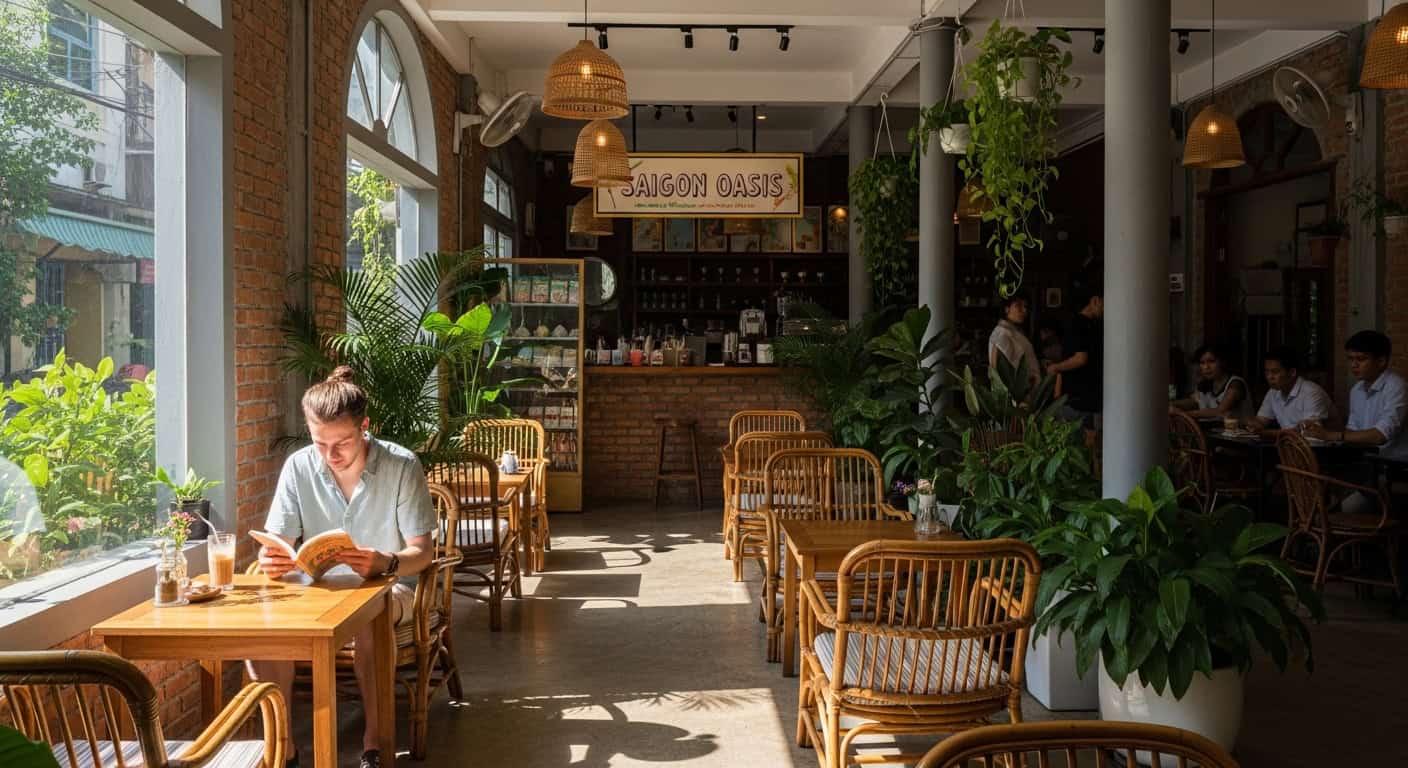
HCMC has a surprisingly robust outdoor dining and leisure culture that is only fully accessible during dry season. Rooftop bars along Bùi Viện and around the Bitexco area operate year-round but fill to capacity on dry-season evenings when the threat of a sudden downpour is gone. Street food vendors who normally set up collapsible awnings and pack them away at the first sign of cloud stay open later, and the plastic-stool culture of sidewalk dining reaches its peak from January to March.
Cycling and running culture has expanded dramatically in HCMC over the past five years, concentrated along Hoàng Diệu in District 4 and the new riverside promenade sections near the Thu Thiem Bridge area. Early morning dry-season rides attract hundreds of locals and expats, and rental shops around Ben Thanh report their highest usage rates in January and February. According to a 2024 survey by the HCMC Department of Transport, active transport trips — walking, cycling, and e-scooter use — increased by 23% during the November-to-March period compared with the June-to-October monsoon window.
Tết: The Dry Season Event That Changes Everything
The Lunar New Year, known as Tết, falls within the saigon dry season — usually in late January or February — and it is the single most dramatic event in HCMC’s annual calendar. For three to five days around Tết itself, the city empties as millions of residents return to home provinces. Streets that are normally gridlocked become eerily quiet. Restaurants close, markets shut, and convenience stores run reduced hours.
Then comes the rebound. In the week after Tết, domestic tourism surges as families who stayed in the city visit parks, temples, and markets decorated with yellow apricot blossoms and marigolds. Flower markets along Nguyễn Huệ Boulevard operate for the two weeks before Tết, and the pedestrian street hosts nightly light installations that draw enormous crowds. If your visit falls in this window, book restaurants two to three weeks in advance and expect hotel rates in District 1 to spike by 30–60% above standard dry-season pricing.
Accommodation and Rental Costs During Dry Season
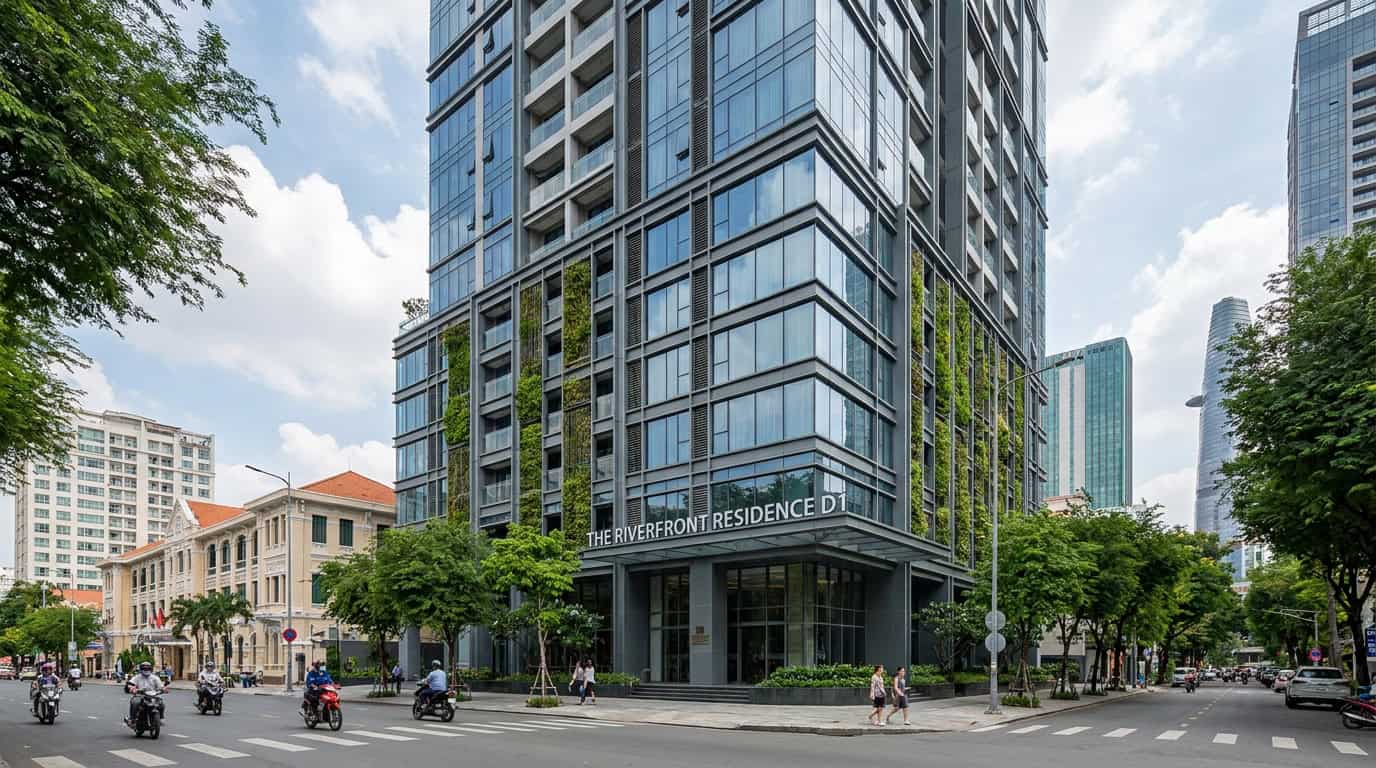
The saigon dry season coincides with peak tourist season, which has a direct effect on short-term rental prices. Serviced apartments in District 1 and Thảo Điền see occupancy rates climb above 85% from December through February, and nightly rates on platforms like Airbnb and Booking.com typically run 15–25% higher than wet-season equivalents. Monthly rental agreements for furnished apartments are less affected by seasonality, but landlords are generally less flexible on price during this period because demand from newly arriving expats — many of whom start assignments in January — is at its highest.
The practical upside is that the apartments themselves are easier to assess. Viewing a property on a dry-season afternoon gives you an accurate picture of natural light, ventilation, and street noise without the distortion of rain on windows or water ingress concerns. Any flooding or drainage problems in a building will not reveal themselves until May, which is worth factoring into any lease you sign during this period — always ask building management directly about wet-season performance history.
Health and Wellbeing Considerations in Dry Season
Dry air and higher temperatures bring their own health dynamics. Air quality in HCMC during the dry season is a mixed picture: reduced humidity lowers the mould and mildew risks common during monsoon months, but the lack of rain means urban dust and vehicle particulate matter accumulate rather than getting washed away. According to IQAir’s 2025 annual report on Southeast Asian cities, HCMC recorded its highest average PM2.5 readings of the year in February and March, months that sit in the heart of dry season, with daily averages occasionally reaching the ‘unhealthy for sensitive groups’ threshold on still mornings.
Hydration is the most practical concern for visitors. The combination of heat, low humidity, and high activity — whether sightseeing or working — means dehydration sets in faster than most travellers expect. Coconut water vendors are ubiquitous and cheap, bottled water is available everywhere, and the city’s growing café culture means air-conditioned rest stops are rarely more than a few hundred metres apart in Districts 1, 3, and Bình Thạnh. Sunscreen SPF 50+ is essential from 9 a.m. onwards; the UV index during peak dry season regularly reaches 10 or 11, classified as extreme.
Day Trips and Regional Travel From HCMC in Dry Season
The saigon dry season opens up regional travel in ways that monsoon months simply cannot match. The Mekong Delta, easily reachable in two to three hours from HCMC by road or boat, is at its most navigable and scenic between December and April. Water levels in the delta drop to reveal riverbanks, floating markets operate at full capacity, and road connections to provinces like Vĩnh Long, Bến Tre, and Cần Thơ remain reliable rather than intermittently flooded.
Vũng Tàu, the beach city two hours southeast of HCMC by speedboat or road, shifts from a rainy weekend escape to a genuinely pleasant coastal destination during dry season. The South China Sea facing beaches on the city’s front beach are calm, the water is clear, and weekend crowds from HCMC descend in large numbers — another reason to book accommodation in advance if you plan a Friday-to-Sunday trip. The Con Dao archipelago, accessible by plane from HCMC in under an hour, also sits in dry-season conditions from roughly November through April, making it the optimal window for diving and snorkelling around its protected marine park.
What Stays the Same Year-Round
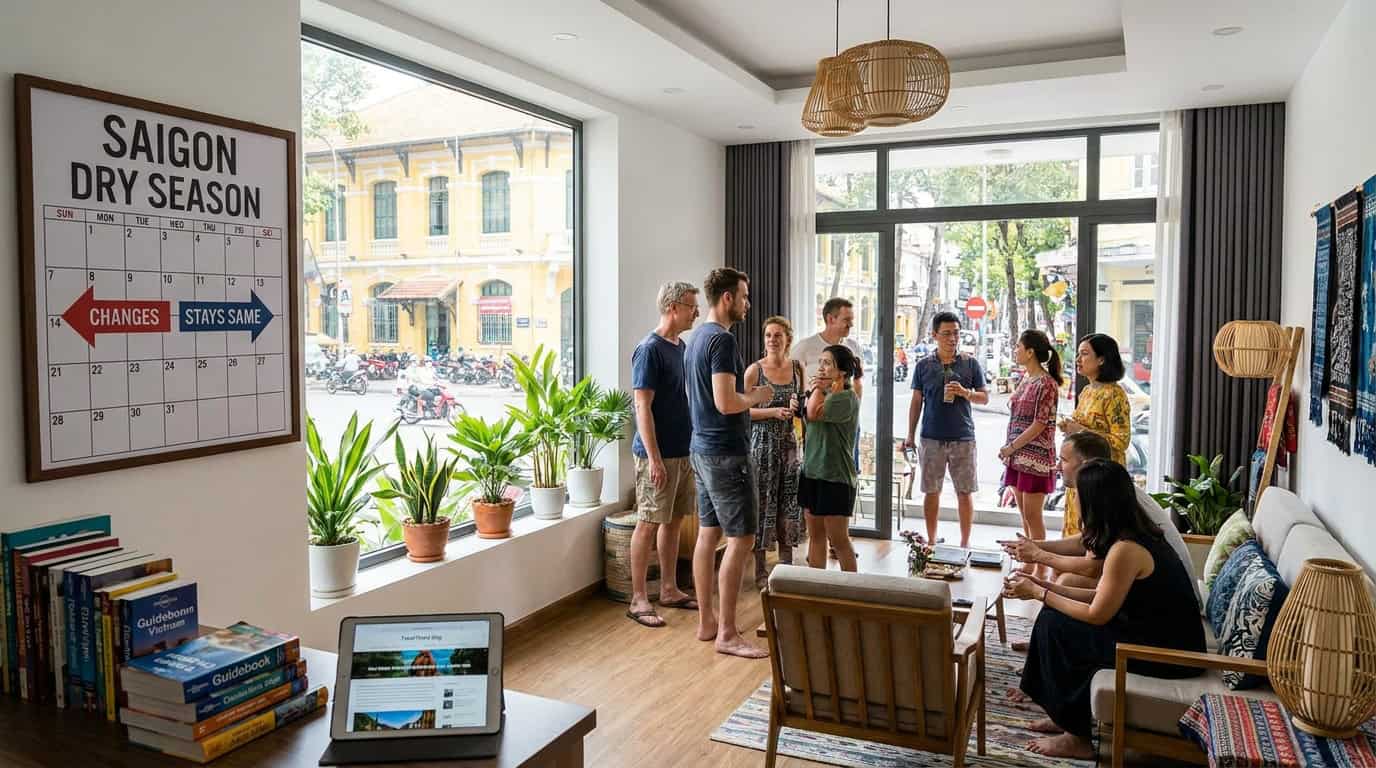
Despite all the improvements the dry season brings, several defining features of HCMC do not change. Traffic remains dense and operates on its own logic regardless of weather — crossing a major intersection without a light still requires the same patient, steady-pace commitment whether it is January or July. Street food prices, which are among the most stable in any major Southeast Asian city, do not move meaningfully with the seasons. A bowl of bún bò Huế costs the same in December as it does in August at any given vendor.
The city’s noise and energy levels are constant. HCMC is not a city that quiets down or slows appreciably outside of the Tết break. Construction continues through dry season, districts like Bình Thạnh and Thu Thiem keep building, and the underlying hum of motorbikes, vendors, and commerce persists from 5 a.m. until well past midnight in most neighbourhoods. If you are relocating rather than visiting, dry season is an excellent time to calibrate what the city actually sounds and feels like at baseline, without weather complicating the experience.
Packing and Practical Preparation for Dry Season HCMC
Packing for the saigon dry season is straightforward once you accept that lightweight, breathable clothing is the only sensible choice. Linen, cotton, and moisture-wicking synthetics work well; denim and heavy fabrics do not. Light layers are useful for air-conditioned environments — restaurants, offices, and malls keep temperatures so low that a thin cardigan or long-sleeved shirt is genuinely necessary after a few hours indoors.
One umbrella or compact rain jacket is still worth carrying from December through February, as occasional brief showers do occur even in dry season. By March these are rare enough that most long-term residents stop carrying rain gear until April. Comfortable walking shoes with non-slip soles are more useful than sandals on the uneven pavements and occasional construction zones throughout the central districts. A reusable water bottle, a good sunscreen, and a portable phone charger round out the practical essentials — the last because navigating by phone in the heat drains batteries faster than most people expect.
You May Also Find Useful
- Ho Chi Minh City Guide for Tourists and First-Time Visitors 2025
- Where to Stay in Ho Chi Minh City 2026: The Complete Neighborhood Guide for First-Time Visitors
- Saigon Neighborhoods and Districts: A Complete Guide for Visitors and New Residents
- Ho Chi Minh City Rainy Season: What It’s Really Like and How to Prepare
Frequently Asked Questions
What months are the Saigon dry season?
The Saigon dry season runs from approximately mid-November through late April. The driest and most comfortable months are January, February, and March, when rainfall is minimal and humidity drops noticeably. April is still technically dry season but temperatures rise sharply, and the first pre-monsoon rains often arrive by early May.
Is Saigon dry season hot?
Yes, but the heat is more tolerable than during the wet season because humidity is lower. Daytime temperatures range from around 28°C in December and January to 35°C or above in April. Mornings and evenings are comfortable enough for outdoor activity, while midday heat between noon and 3 p.m. is intense and best avoided through rest or air-conditioned spaces.
Does it rain at all during the Saigon dry season?
Occasional light showers can occur in December and January, particularly in the early part of the dry season. By February and March, rainfall becomes rare — sometimes weeks pass without any measurable precipitation in central HCMC. The dry season does not mean zero rain, but flooding and sustained downpours are effectively absent from December through April.
When is the best time to visit Saigon to avoid crowds?
January and February see peak tourist volumes, amplified by the Tết holiday period. If you want dry-season weather without peak crowds, target late November through December or late March through mid-April. These shoulder windows within the dry season offer the best balance of good weather and manageable tourist numbers in popular areas like the Ben Thanh market district and Bùi Viện.
How does the dry season affect apartment rentals in HCMC?
Short-term rental prices rise during the dry season, particularly around Tết, as demand from tourists and newly arriving expats increases. Monthly furnished apartment rentals in districts like District 1 and Thảo Điền are slightly less seasonal but landlords tend to hold firmer on price from December to February. The dry season is, however, an ideal time to view properties since you can assess ventilation, natural light, and neighbourhood character without rain distortion.
Official Resources
For the most up-to-date information on saigon dry season, visit the Vietnam National Centre for Hydro-Meteorological Forecasting.