
Transport Costs in Ho Chi Minh City: What Expats Actually Spend Per Month
Transport costs Saigon expat monthly budgets depend on where you live, how often you use Grab, and whether you ride a motorbike. Transport costs in Saigon can look confusing before you arrive. One expat pays almost nothing because they work from home. Another spends heavily on Grab rides, airport runs, and weekend trips. A retiree may use taxis daily, while a digital nomad might walk everywhere in District 1.
So, what do expats actually spend per month on transport in Ho Chi Minh City? For most long-stay residents, a realistic monthly range is 1.5 million to 6 million VND. That’s roughly the difference between a motorbike-heavy lifestyle and a taxi-first lifestyle. The biggest variables are your neighborhood, commute, comfort level, and whether you ride a motorbike.
This guide focuses on real monthly patterns, not vague “cheap Asia” claims. It’s written for expats, remote workers, digital nomads, and retirees planning life in central Saigon. If you’re choosing a long-stay base, transport costs should sit beside rent, food, and healthcare in your budget. After all, what’s the value of a low rent if you spend hours crossing town every week?
Key Takeaways
- Most expats spend 1.5 million to 6 million VND per month on transport in Ho Chi Minh City.
- GrabBike and motorbike ownership are usually the lowest-cost practical options.
- GrabCar and taxis can raise monthly transport costs quickly, especially during rain or rush hour.
- District 1 living reduces transport spend for remote workers, retirees, and frequent diners.
- Public buses are very cheap, but many expats use them only occasionally.
- Choosing a central serviced apartment can cut both transport time and monthly costs.
1. The Real Monthly Transport Budget for Expats in Saigon
Most expats in Ho Chi Minh City spend between 1.5 million and 6 million VND per month on transport, depending on habits. Numbeo’s 2025 Ho Chi Minh City data lists a one-way local transport ticket at about 7,000 VND, showing how low the base cost can be.
That range covers very different lifestyles. A remote worker in District 1 may walk often and take short GrabBike trips. Their monthly spend can stay close to 1.5 million VND. A couple using GrabCar for most outings may spend 5 million VND or more. Add regular airport trips, gym visits across town, or school runs, and the number climbs fast.
The keyword many newcomers search is “transport costs saigon expat monthly,” but the answer isn’t one figure. It depends on daily movement. Do you commute across districts, or work from your apartment? Do you go out every night, or stay close to home during the week?
Here’s a simple planning view for long-stay residents. Budget travelers using buses and walking may spend under 1 million VND. Practical motorbike riders usually land between 1.5 million and 3 million VND. Comfort-focused expats who rely on GrabCar or taxis often spend 4 million to 7 million VND monthly.
Currency also matters. The IMF reported Vietnam’s consumer price inflation at 3.25% in 2023, and transport prices can shift with fuel, demand, and app pricing. Exchange rates change too, so long-stay residents should track costs in VND first. It’s easier to control your budget when your daily spending language matches the city.
2. GrabBike, GrabCar, and Taxi Costs for Daily Life
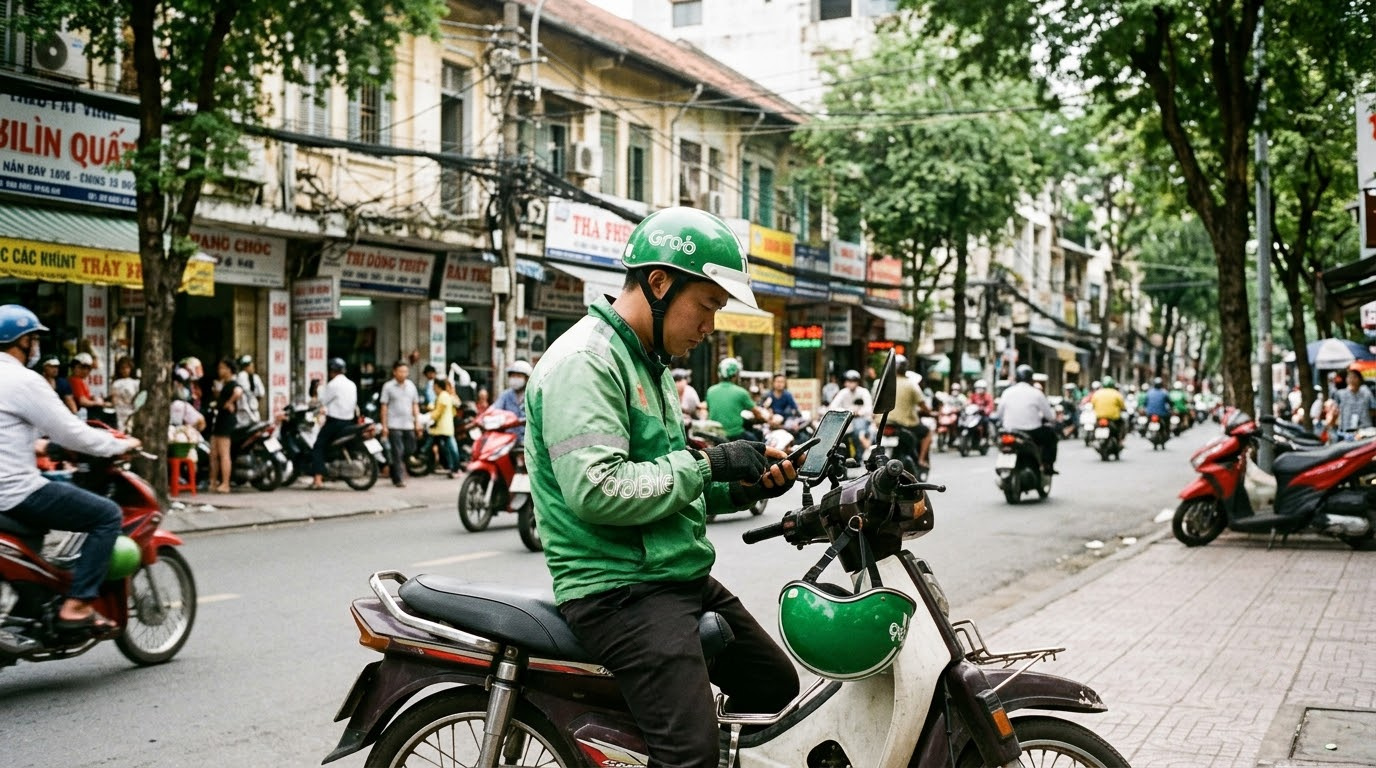
Ride-hailing is the default transport choice for many expats because it’s simple, cashless, and widely available. Grab’s Vietnam app shows fare estimates before booking, while Vietnam’s Ministry of Transport has reported strong growth in app-based passenger transport across major cities.
For short trips inside District 1, GrabBike can be extremely affordable. A quick ride between cafés, coworking spaces, or restaurants may cost less than a Western coffee. GrabCar costs more, but it gives air-conditioning, luggage space, and comfort during heavy rain. For many newcomers, that comfort is worth paying for during the first few months.
Taxi brands like Mai Linh and Vinasun remain useful, especially outside app peak times. They’re metered, visible, and familiar to many long-term residents. However, ride-hailing apps make budgeting easier because the fare appears before you accept. Would you rather negotiate street directions in traffic, or tap a saved address and relax?
A practical monthly estimate depends on frequency. Two short GrabBike trips per day can total around 1.5 million to 2.5 million VND monthly. Two GrabCar trips per day can reach 4 million to 7 million VND. Rainy-season evenings, airport trips, and late-night rides push that figure higher.
Remote workers should think about ride purpose. If your apartment is near cafés, grocery stores, and gyms, you may only use Grab for social plans. If your accommodation sits far from central services, everyday errands become paid rides. Location doesn’t just affect rent. It changes your daily movement costs.
That’s one reason many long-stay guests choose central serviced apartments. Staying near Nguyen Hue, Ben Thanh, the Saigon River, and major restaurants reduces friction. Saigon Apartment’s residences are designed for guests who want central access without managing a full private lease from day one.
3. Motorbike Ownership and Rental: Cheapest or Riskiest?
Motorbikes dominate Vietnam’s streets, with the General Statistics Office of Vietnam reporting tens of millions of registered motorcycles nationwide. For expats who ride legally and confidently, a motorbike can keep monthly Saigon transport costs near 1.5 million to 3 million VND.
Motorbike rental usually costs around 1 million to 2.5 million VND per month, depending on the model and condition. Fuel is relatively cheap compared with car use. Parking is often a few thousand dong at cafés, offices, and malls. Repairs can be affordable, but unexpected mechanical issues still happen.
The main cost isn’t always money. It’s risk. Ho Chi Minh City traffic is dense, fast, and unpredictable. The World Health Organization’s 2023 road safety reporting continues to identify motorcyclists as a highly vulnerable road user group in Vietnam. New riders should avoid treating Saigon as a training ground.
Licensing is another issue. Foreign licenses are not always valid without conversion or proper recognition. Insurance may not cover accidents if documentation is wrong. If you plan to ride, check current Vietnamese legal requirements and use a reputable rental company. A cheap rental isn’t cheap if it creates legal or medical problems.
Some expats compromise. They use GrabBike for daily solo trips and GrabCar during rain or after dark. This gives much of the motorbike cost benefit without personal ownership. Is saving one million dong worth riding through rush-hour roundabouts when you’re tired?
For retirees and families, motorbike ownership may feel less attractive. Comfort, safety, and weather protection often matter more. Long-stay residents with predictable routines can also hire a regular driver or use taxis selectively. There’s no single “expat correct” answer, only the best fit for your mobility and risk tolerance.

4. Public Transport, Walking, and the Metro Factor
Public transport remains the cheapest way to move around Ho Chi Minh City. Numbeo lists a monthly public transport pass in Ho Chi Minh City at around 200,000 VND, which is far below typical ride-hailing or motorbike rental costs.
City buses are inexpensive and cover many districts. They can work well for patient residents with fixed routes. However, buses may be slower than GrabBike for short cross-town trips. Heat, traffic, and walking distance to stops affect comfort. For many expats, buses are useful sometimes, not every day.
Walking is underrated in central Saigon. District 1 has restaurants, cafés, pharmacies, convenience stores, malls, parks, and riverfront paths. Sidewalk conditions vary, but many daily needs are walkable if you choose the right street. That’s why accommodation location can reduce transport costs more than any app discount.
The metro is changing expectations. Ho Chi Minh City’s first metro line, Ben Thanh to Suoi Tien, has been reported by official Vietnamese and major local media as a key urban transport project connecting the city center with the east. As service expands, expats may find new housing and commuting patterns.
Still, metro access won’t replace all local trips. Most residents will combine walking, ride-hailing, buses, and occasional taxis. The question is not whether one option wins. It’s which mix fits your daily rhythm. Do you need speed, air-conditioning, low cost, or door-to-door convenience?
5. How Neighborhood Choice Changes Monthly Transport Costs
Neighborhood choice can change your monthly transport bill as much as vehicle choice. Ho Chi Minh City had over 9.4 million residents in 2023, according to Vietnam’s General Statistics Office, so cross-city movement can consume both money and time.
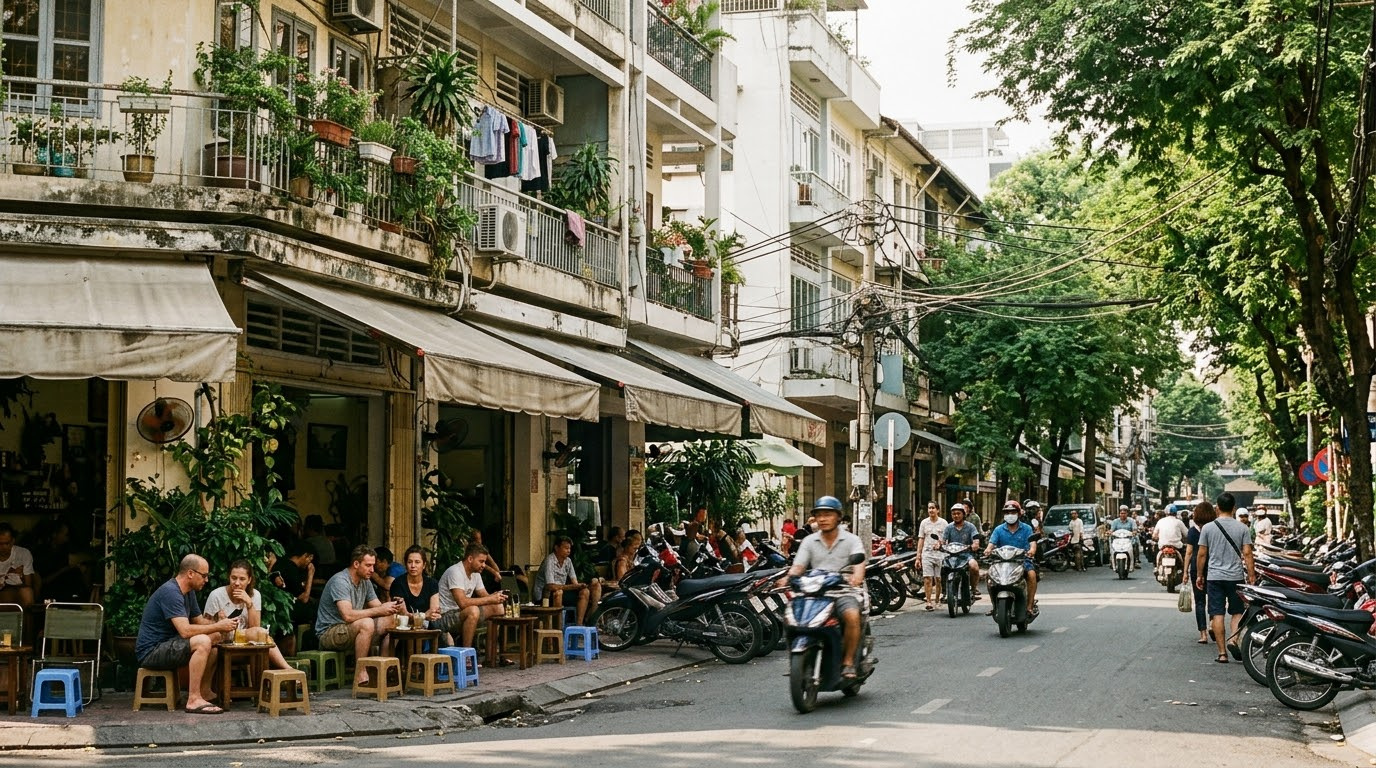
District 1 is the most practical base for many expats without children in international schools. It concentrates offices, restaurants, coworking spaces, healthcare clinics, hotels, consulates, and nightlife. If you work remotely, you may only need transport for social visits, airport transfers, or errands outside the center.
Thao Dien in Thu Duc City is popular with families and long-term expats. It offers international schools, Western groceries, villas, and community life. Transport costs can rise if your work, friends, or favorite restaurants are in District 1. The trip is manageable, but repeated rides add up over a month.
District 3, Binh Thanh, and Phu Nhuan offer strong value for residents who know the city. They can reduce rent while keeping central access. However, short rides become more frequent if your daily life remains downtown. A lower rent district isn’t automatically cheaper after transport, delivery fees, and time are included.
Remote workers should map a normal week before signing a lease. Where will you buy groceries? Where’s your gym? How often will you meet friends? Where are your medical appointments? A comfortable home in the wrong location can quietly become expensive.
Saigon Apartment is built for residents who want a central, serviced base while they settle into the city. That matters when your time zone, work schedule, and energy already need careful management.
6. Sample Monthly Budgets for Different Expat Lifestyles
A realistic transport budget should reflect lifestyle, not averages alone. Numbeo’s 2025 Ho Chi Minh City cost data places taxi starting fares around 15,000 VND, but daily frequency matters far more than any single fare.
Let’s start with a digital nomad living in District 1. They work from home, walk to cafés, and take GrabBike three or four times a week. Their monthly transport cost may sit around 800,000 to 1.8 million VND. This is one of the easiest ways to keep Saigon living costs predictable.
A remote worker in Thao Dien who visits District 1 often may spend more. If they use GrabBike most days and GrabCar during rain, a budget of 2.5 million to 4.5 million VND is reasonable. If they socialize downtown several nights weekly, late rides can increase costs.
A retiree who prefers taxis and avoids motorbikes should budget higher. Daily short taxi or GrabCar trips can reach 4 million to 7 million VND monthly. This may still feel reasonable compared with major Western cities, but it should be planned. Comfort has a cost, and that’s okay.
A couple using one rented motorbike may spend around 2 million to 3.5 million VND monthly, including rental, fuel, parking, and occasional GrabCar rides. If both partners ride separately, the cost rises. So does exposure to traffic. Couples should also consider rainy-season comfort and medical insurance coverage.
Airport trips deserve a separate line. Tan Son Nhat Airport is close to the center, but traffic can make timing unpredictable. Frequent flyers should add several hundred thousand dong monthly. Business travelers, regional nomads, and visiting-family hosts often underestimate this category.
Here’s a useful rule. If you’re new, start with a higher transport budget for the first two months. You’ll explore neighborhoods, visit apartments, meet people, and make mistakes. After that, your routine stabilizes. Isn’t it better to be pleasantly under budget than constantly surprised?
7. Practical Ways to Reduce Transport Costs Without Losing Comfort
Small choices can cut monthly transport costs without making life inconvenient. The World Bank has noted Vietnam’s rapid urbanization and pressure on city mobility, making efficient neighborhood planning increasingly important for residents in major urban centers like Ho Chi Minh City.
First, cluster errands. Instead of taking three separate rides, plan groceries, pharmacy stops, and appointments together. This simple habit can save hundreds of thousands of dong monthly. It also reduces time in traffic. In Saigon, time savings often feel as valuable as money savings.
Second, avoid peak traffic when possible. Ride-hailing prices and travel times can rise during rain, school pickup, and office rush hours. Remote workers have an advantage here. If your schedule is flexible, shift appointments outside peak windows. A 30-minute timing change can improve the whole trip.
Third, save frequent destinations in your ride-hailing app. This reduces wrong addresses and route confusion. Use building names, nearby landmarks, and Vietnamese street details where possible. For apartment living, clear pickup points matter. A small communication improvement can prevent delays and cancellations.
Fourth, choose accommodation with daily needs nearby. Walkable access to food, coffee, laundry, fitness, and convenience stores reduces paid rides. Saigon Apartment supports this lifestyle through central location and serviced living. You can review our long-stay residences if you want a practical District 1 base.
Finally, don’t optimize only for the cheapest fare. The lowest-cost ride may not be right during heavy rain, late-night returns, or medical visits. Use GrabCar or a trusted taxi when comfort and safety matter. Smart budgeting means spending less on routine trips, so you can spend more when it counts.
FAQ: Transport Costs Saigon Expat Monthly
How much should an expat budget monthly for transport in Ho Chi Minh City?
Most expats should budget 1.5 million to 6 million VND per month. Motorbike riders and central remote workers sit near the lower end. Taxi-first residents, couples, and frequent cross-district travelers should plan for the higher end.
Is Grab cheap enough to use every day in Saigon?
Yes, GrabBike can be cheap enough for daily use. GrabCar is comfortable but adds up quickly. If you use GrabCar twice daily, your monthly transport cost may become one of your larger lifestyle expenses after rent and food.
Do expats need a motorbike in Ho Chi Minh City?
No, many expats live well without owning a motorbike. Ride-hailing, taxis, walking, and buses cover most needs. A motorbike can save money, but only if you ride legally, confidently, and with proper insurance.
Is public transport useful for foreigners in Ho Chi Minh City?
Public buses are cheap and useful for some routes. However, many foreigners find them slower and less convenient than GrabBike. The metro will improve options, but most expats still use a mix of transport modes.
Which area is best for keeping transport costs low?
District 1 is often best for remote workers, retirees, and newcomers who want walkable access. District 3 and parts of Binh Thanh can also work well. The best choice depends on where you work, socialize, and handle daily errands.
Conclusion: Plan for Movement, Not Just Rent
Transport costs in Ho Chi Minh City are manageable, but they’re not automatic. A realistic expat monthly budget depends on your routines, neighborhood, comfort expectations, and confidence in traffic. Many long-stay residents spend between 1.5 million and 6 million VND each month, with taxi-first lifestyles costing more.
The smartest approach is simple. Live close to the places you use most, mix transport modes, and budget higher during your first months. Once your Saigon routine settles, your spending becomes easier to control. Central serviced living can also reduce both paid rides and daily decision fatigue.
For more Saigon guides, check out: Motorbike vs Grab in Saigon, Best Apps for Expats in Saigon.
For official information and further reading, visit Wikipedia — Ho Chi Minh City Transport.